

Silver Falls School District Bond
Ballot Measure 24-528
Proposed Projects
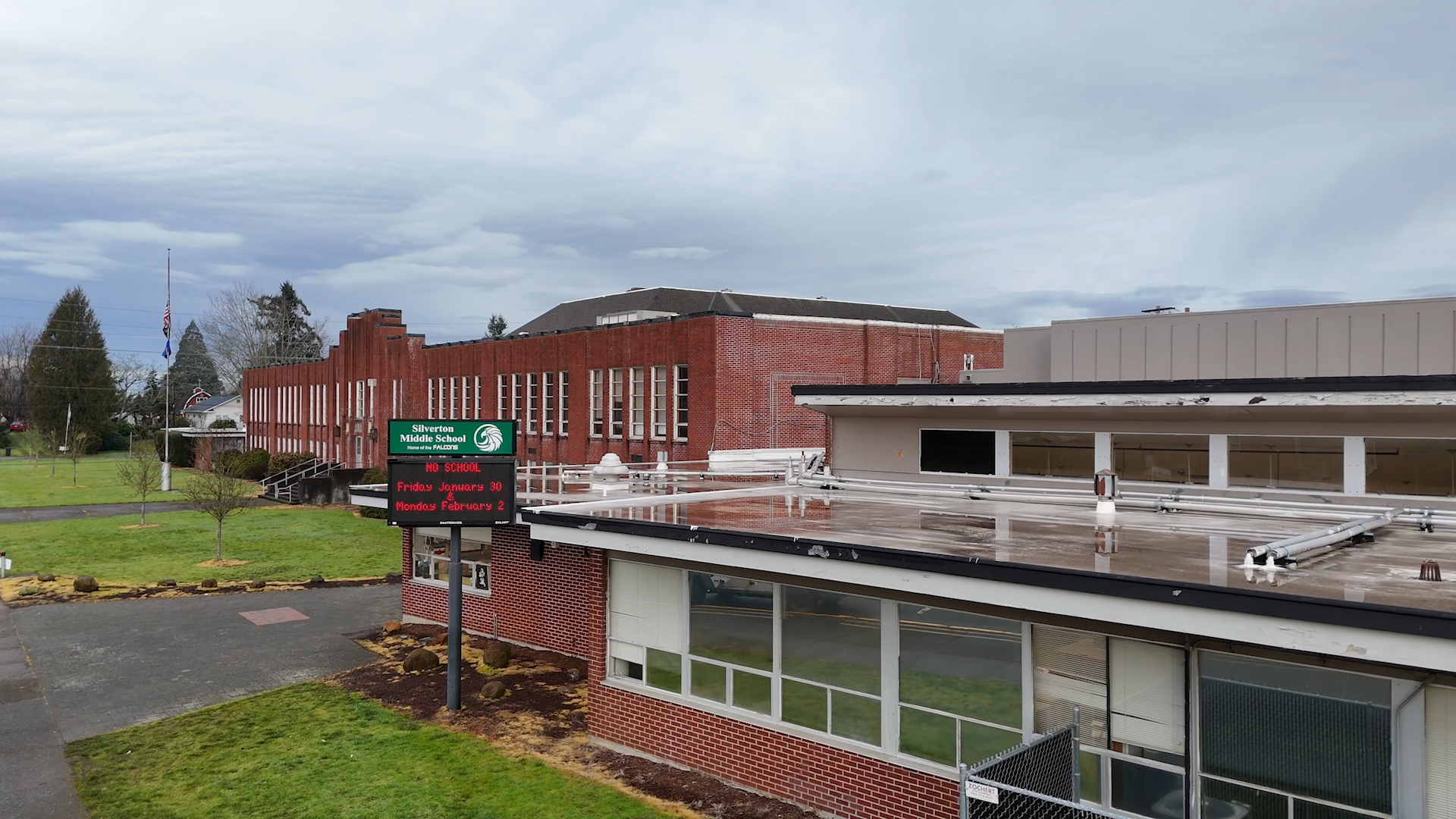
Replace/Reconstruct Silverton
Middle School
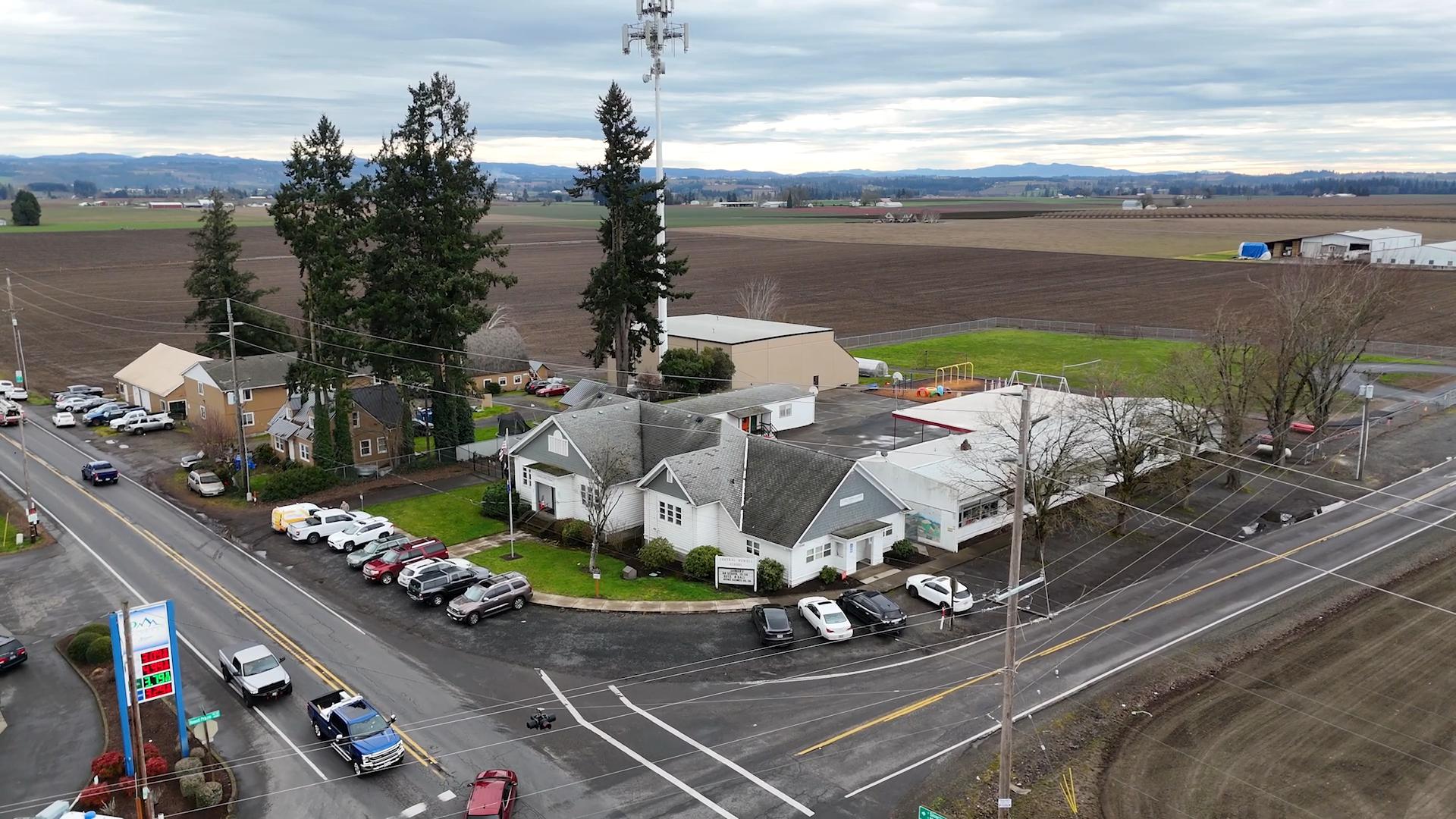
New Rural K-8 School
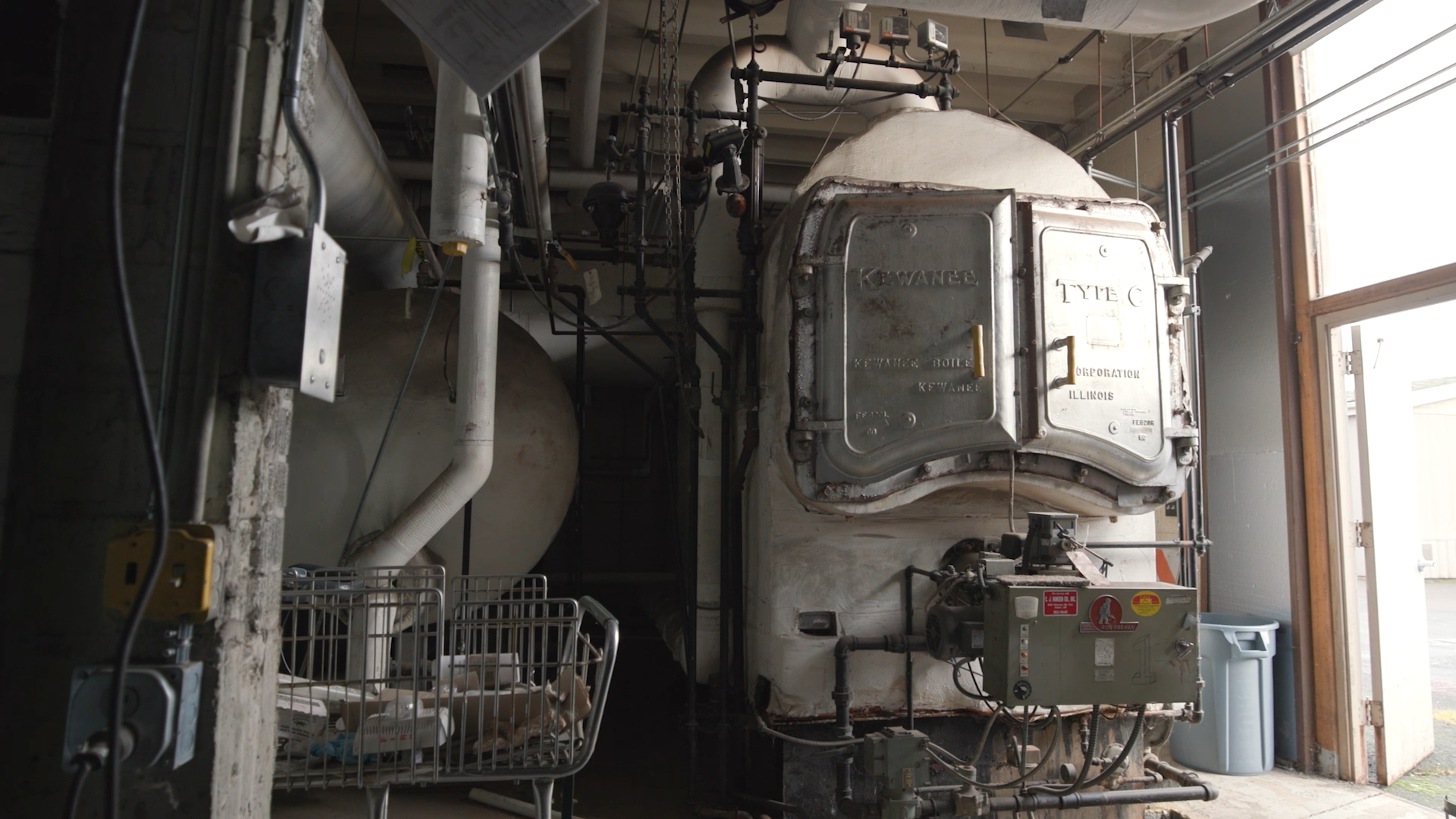
Address Prioritized
Maintenance Needs
Proposed Funding
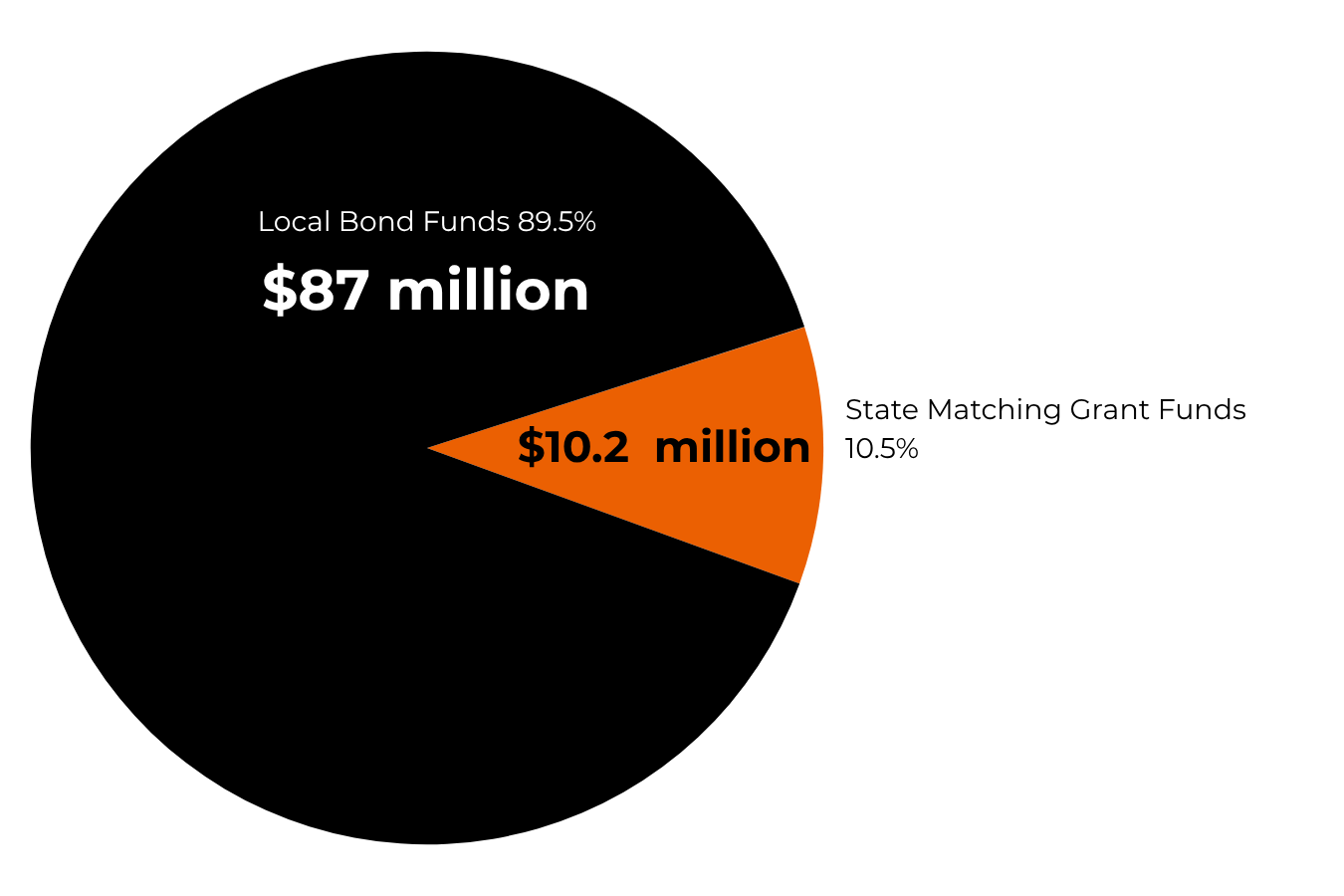
If approved, the measure would provide $87 million in local bond funds and $10.2 million from the OSCIM State Matching Grant for capital improvement projects. If not approved, the projects would not move forward, and those state funds would be awarded to another district.
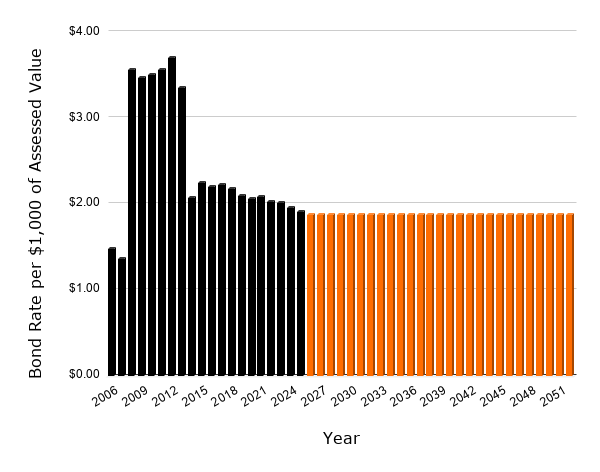
Estimated to Maintain the Current Bond Tax Rate
Proposed Bond Rate: $1.88 per $1,000
Expiring Bond Rate: $1.88 per $1,000 FY 2026
Silver Falls School District is placing a Capital Improvement Bond on the November 2026 ballot.
If approved, the proposed bond would address the District’s highest-priority facility needs identified through a comprehensive long-range facilities planning process. More than 30 community members, parents, educators, administrators, and School Board representatives participated in the process, reviewing facility conditions, enrollment trends, educational programming needs, community feedback, and the District’s long-term financial outlook.
The District’s existing bond is expiring. The proposed bond is estimated to maintain the current bond tax rate of approximately $1.88 per $1,000 of assessed property value.
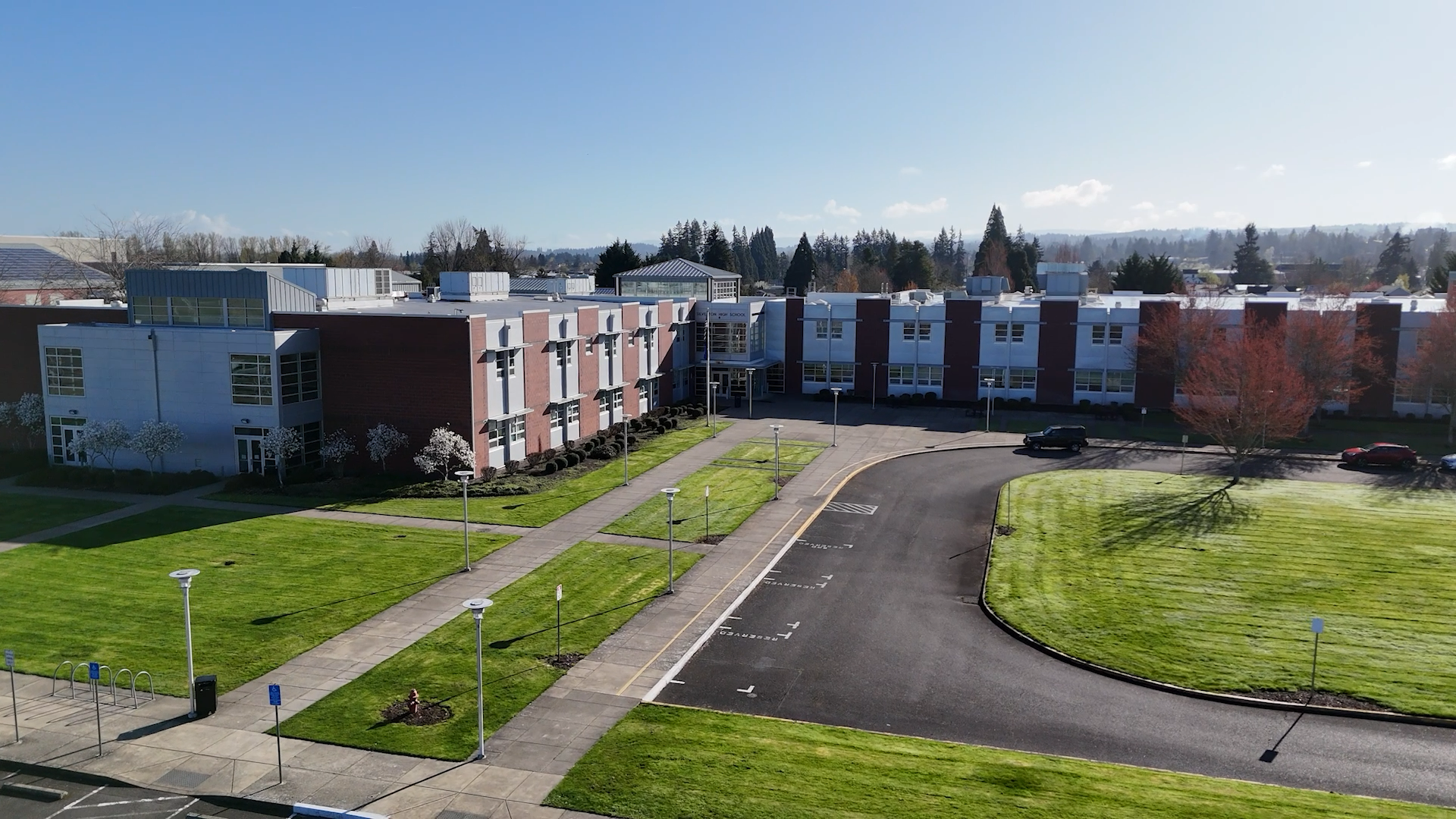
Proposed Middle School - Renovation & Addition
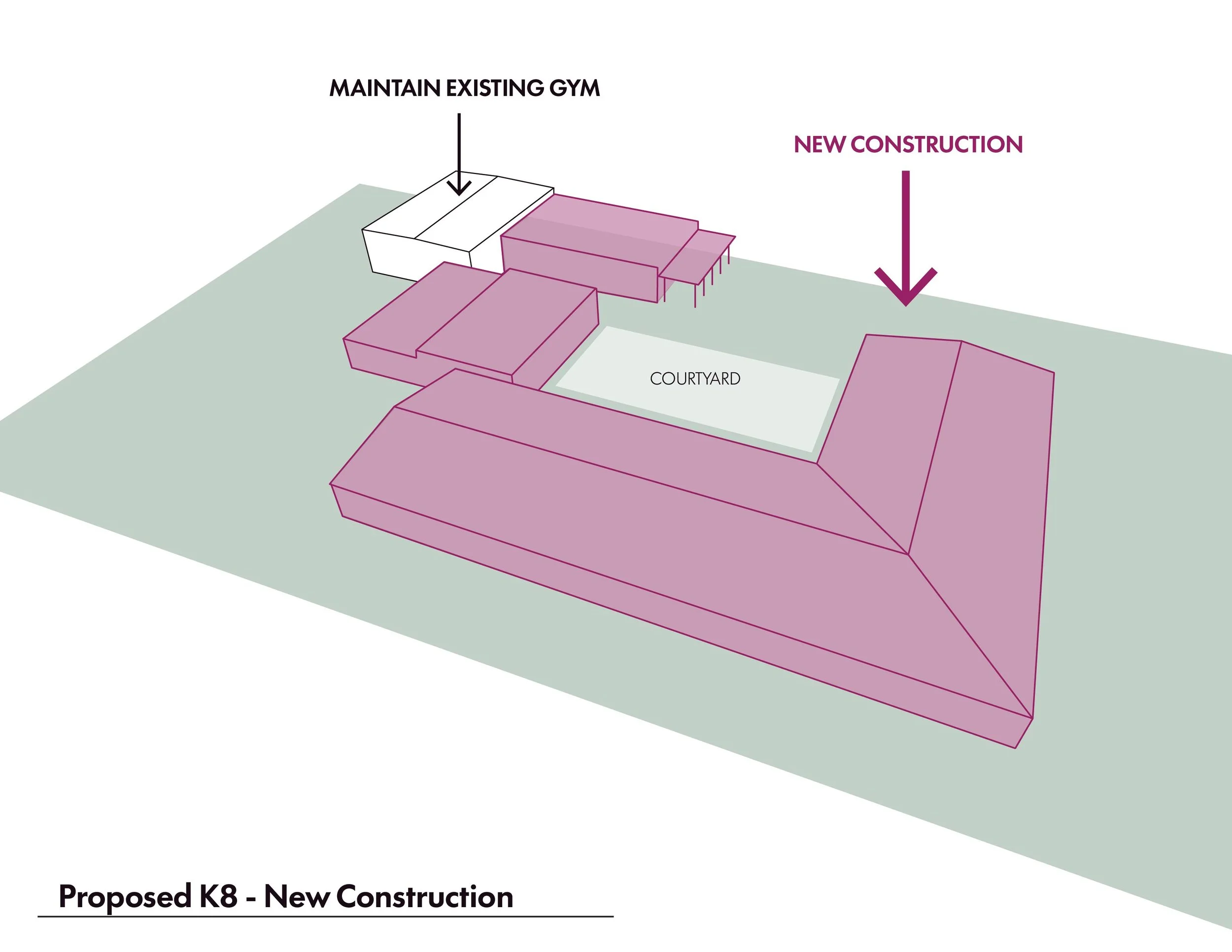
Proposed K-8 - New Construction
2026 Silver Falls School Bond: Proposed Project Funding Sources
If this measure is voter-approved, what projects would be completed?
Replace/Reconstruct Silverton Middle School
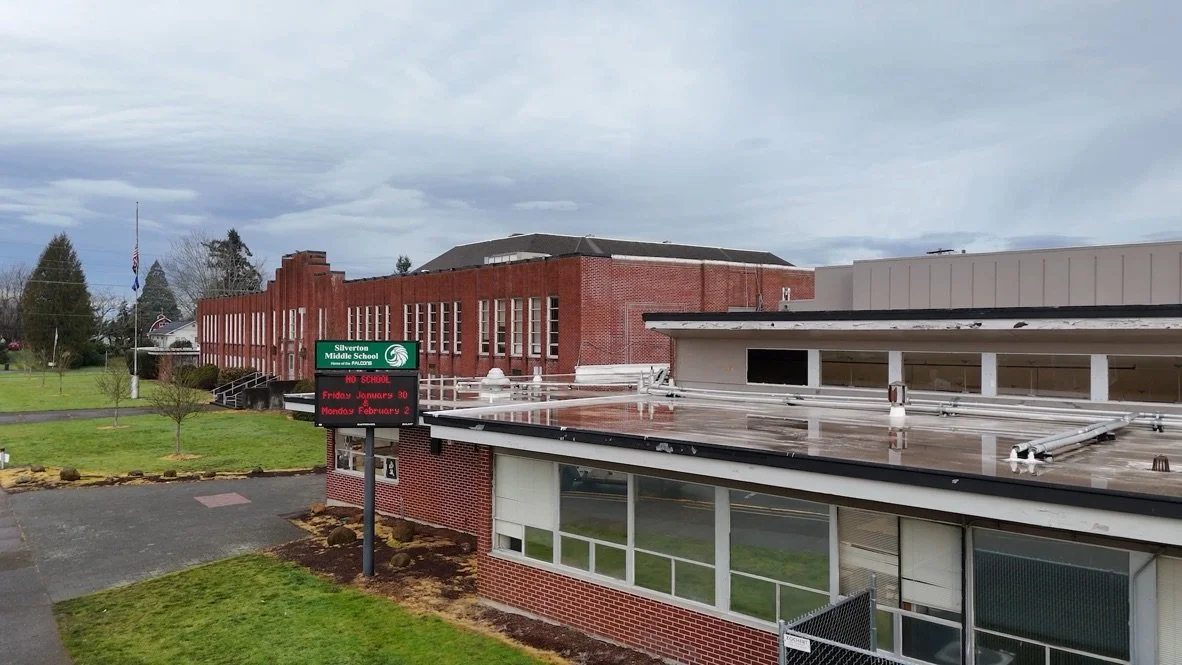
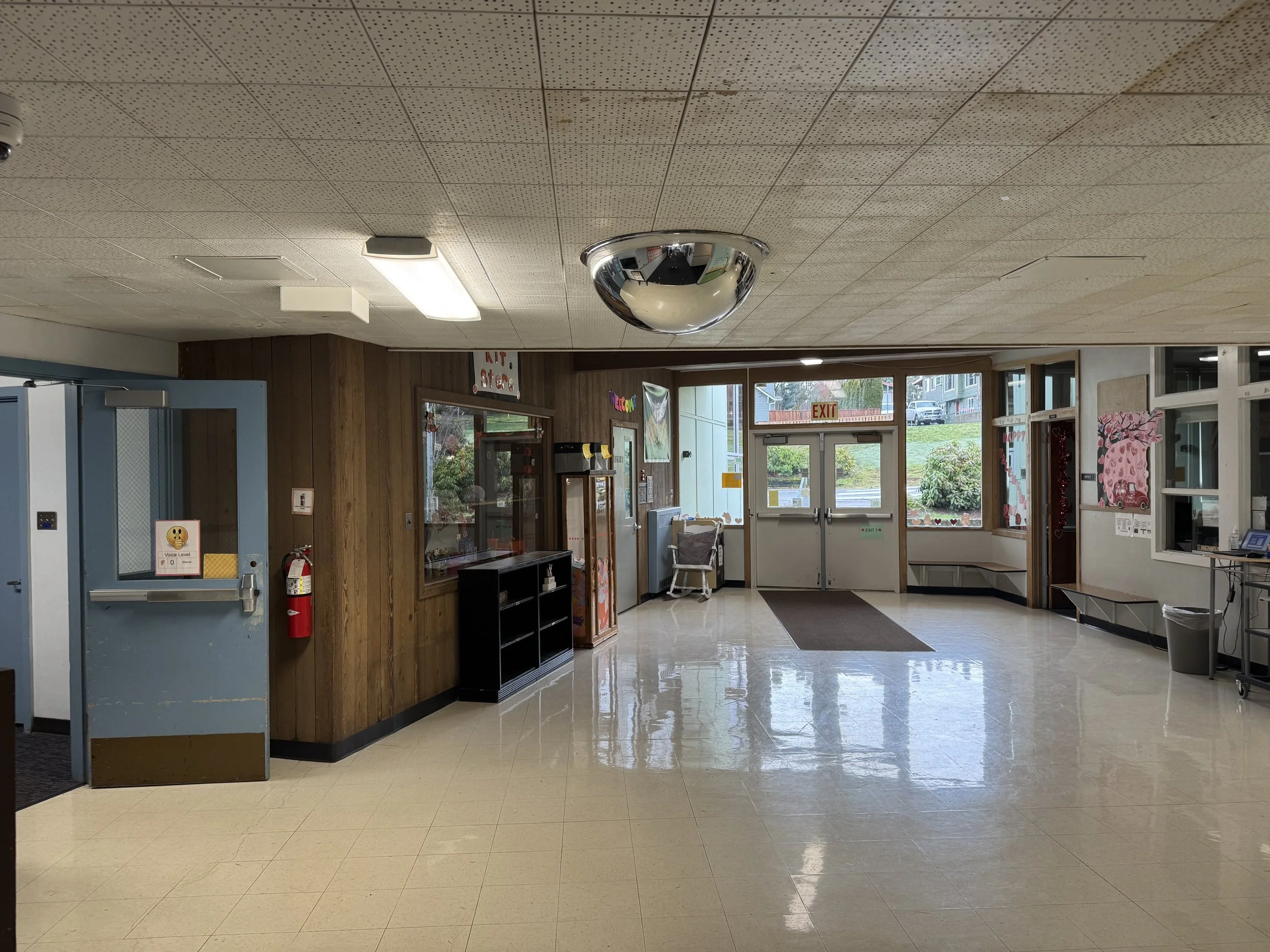
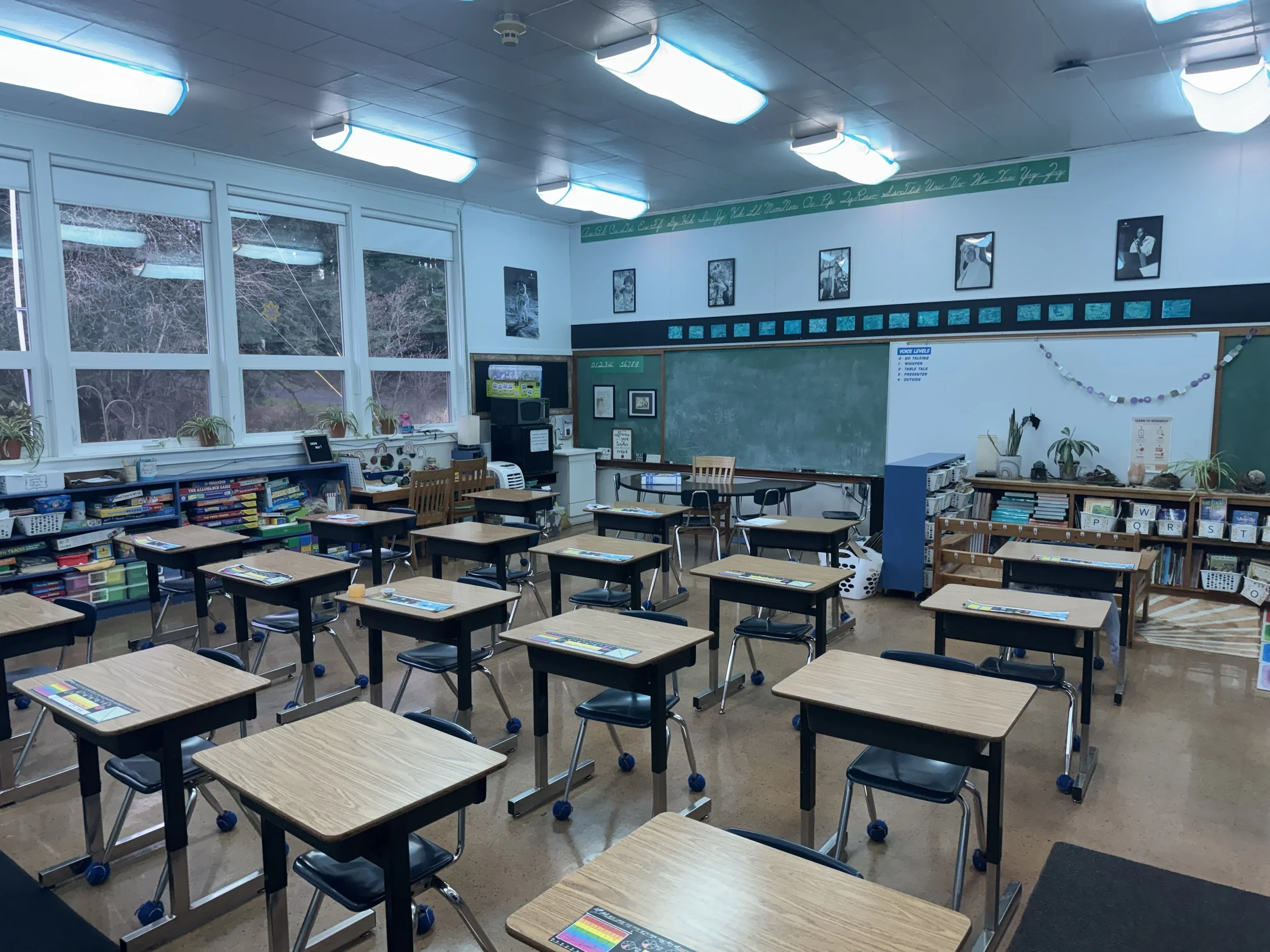
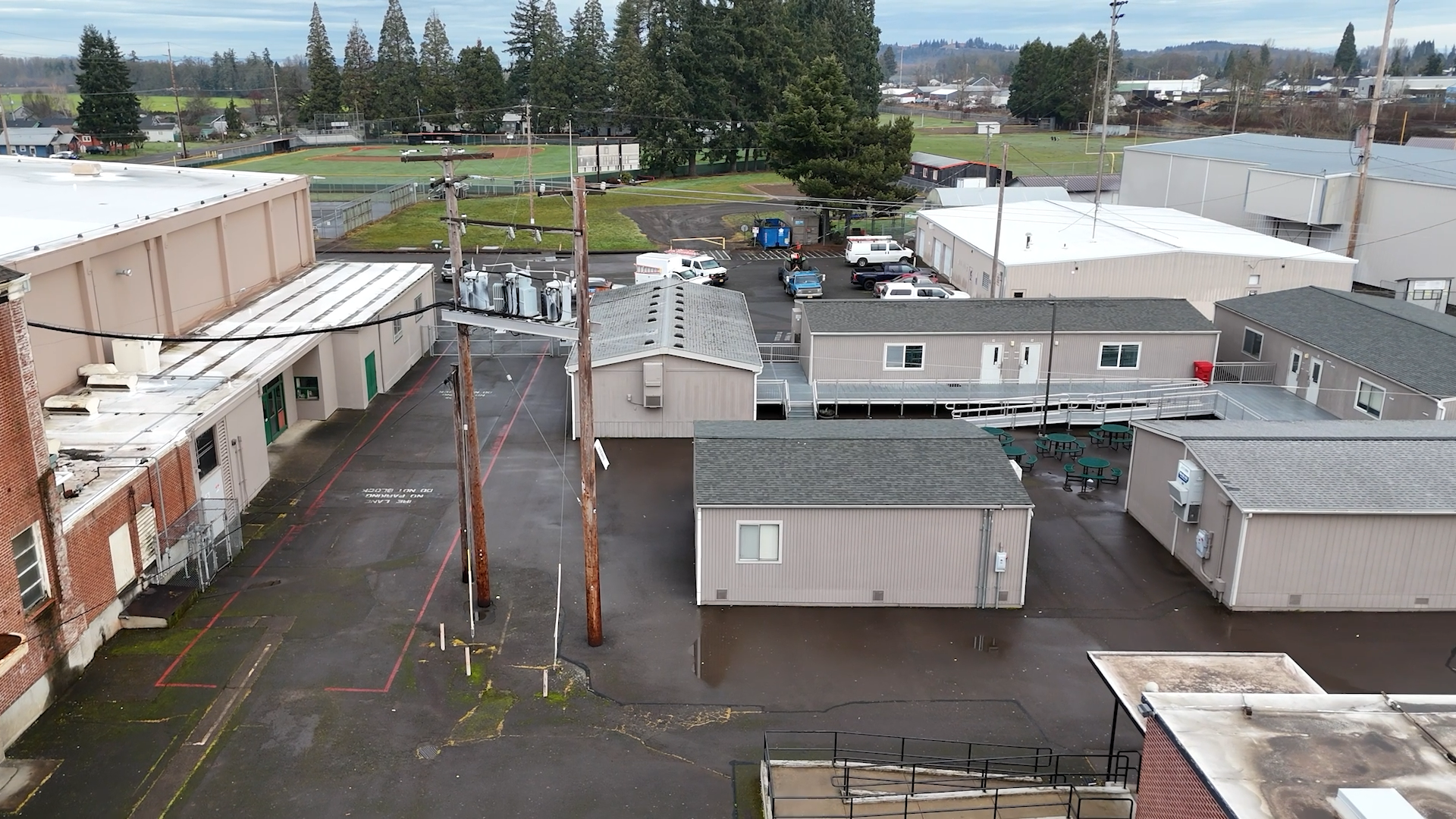
Construct a new middle school to replace the District's most significant facility challenge. The proposed bond measure would build a new middle school on the former 1938 high school building site, renovate viable existing facilities into a connected campus, retain the seismically upgraded gymnasium, eliminate portable classrooms, and provide a safe, updated learning environment.
New Rural K-8 School
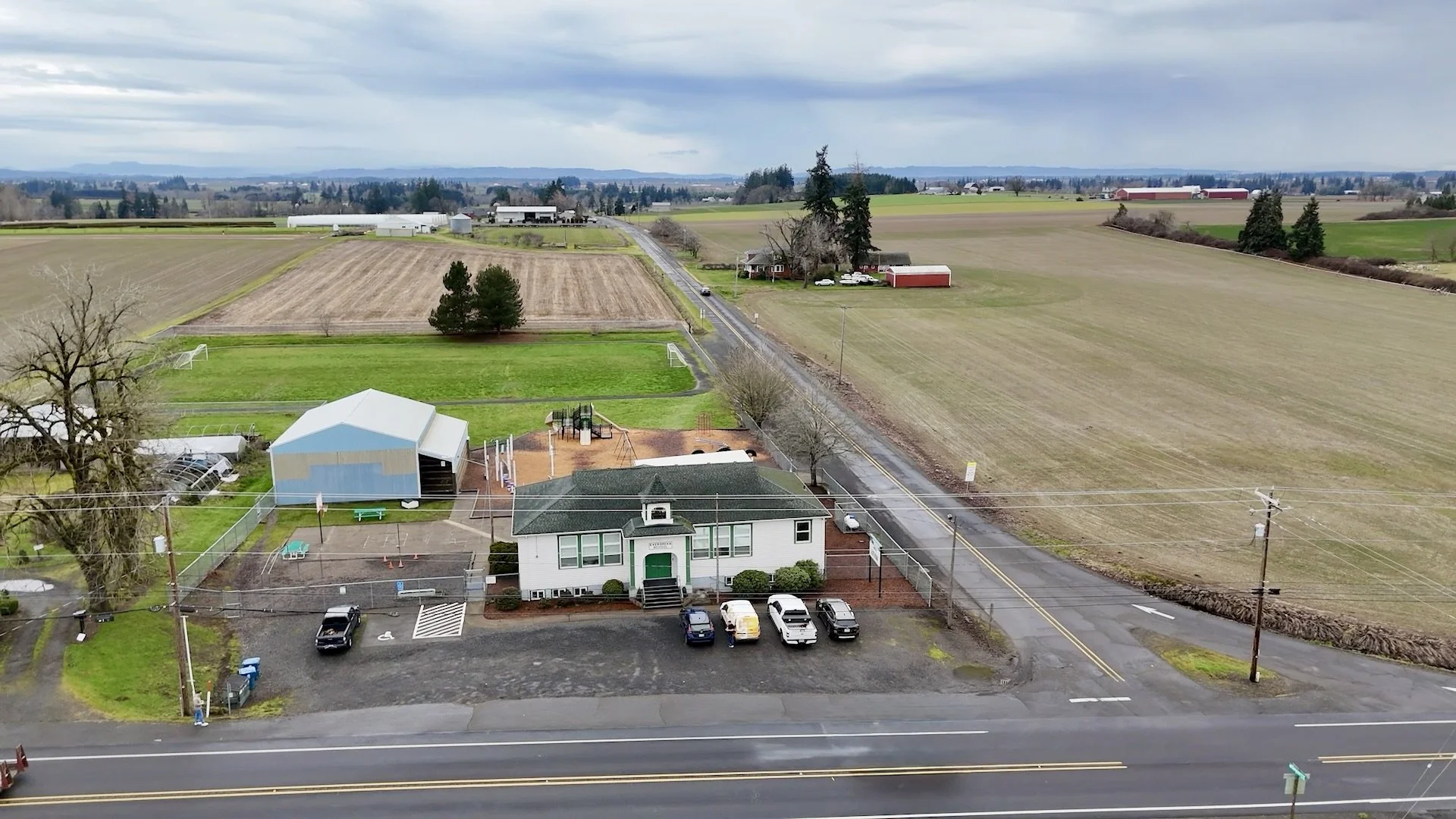
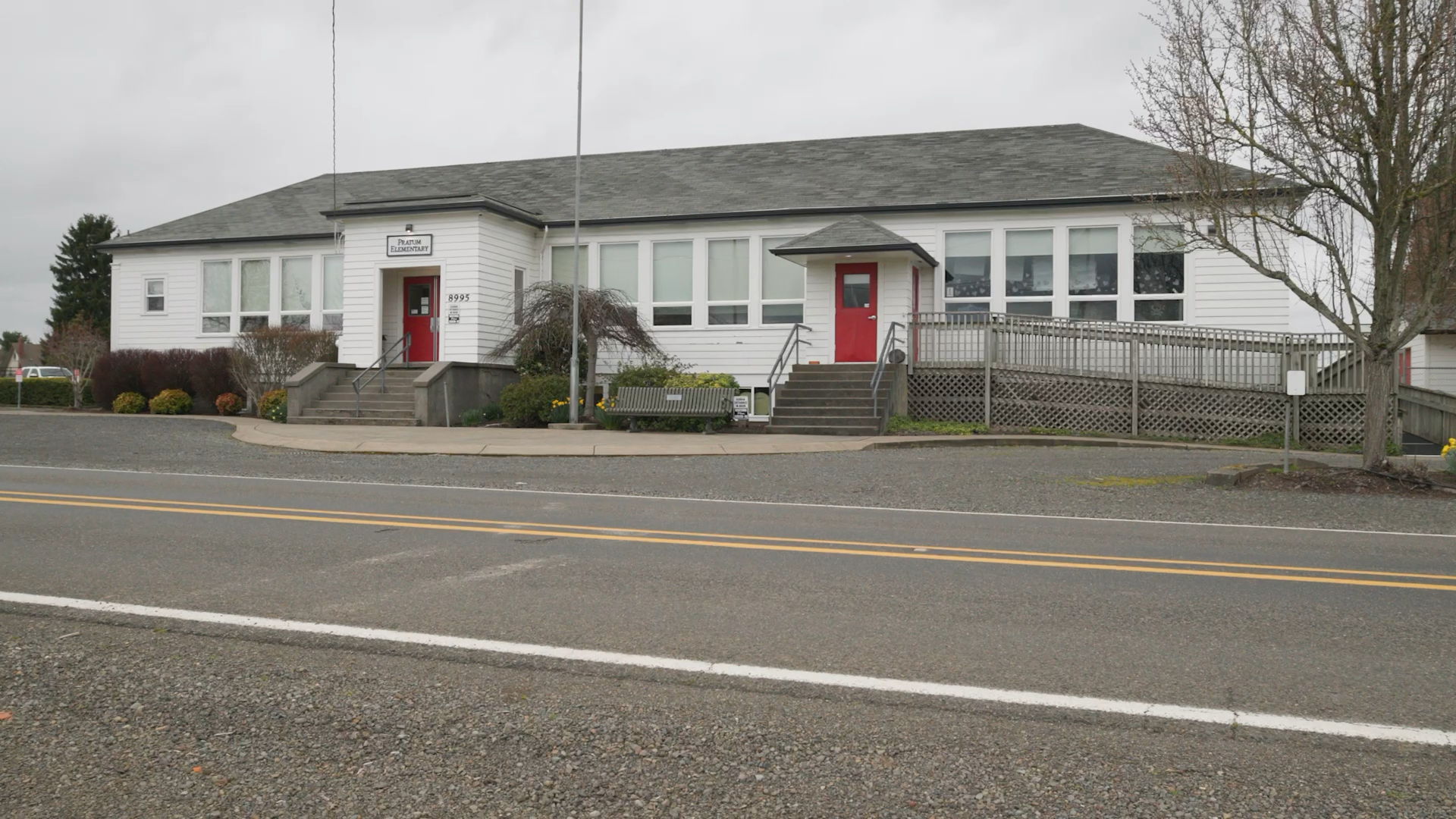
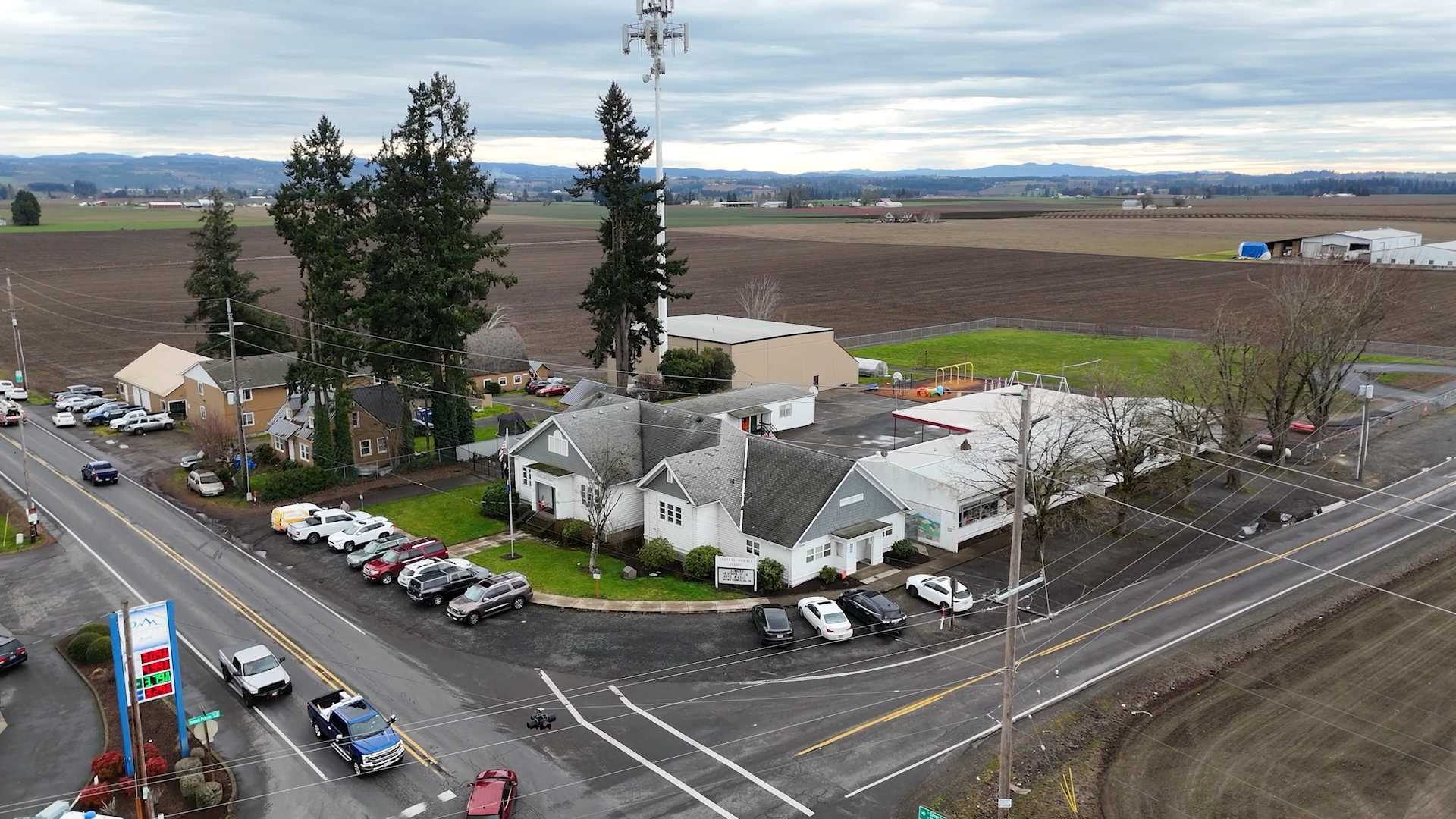
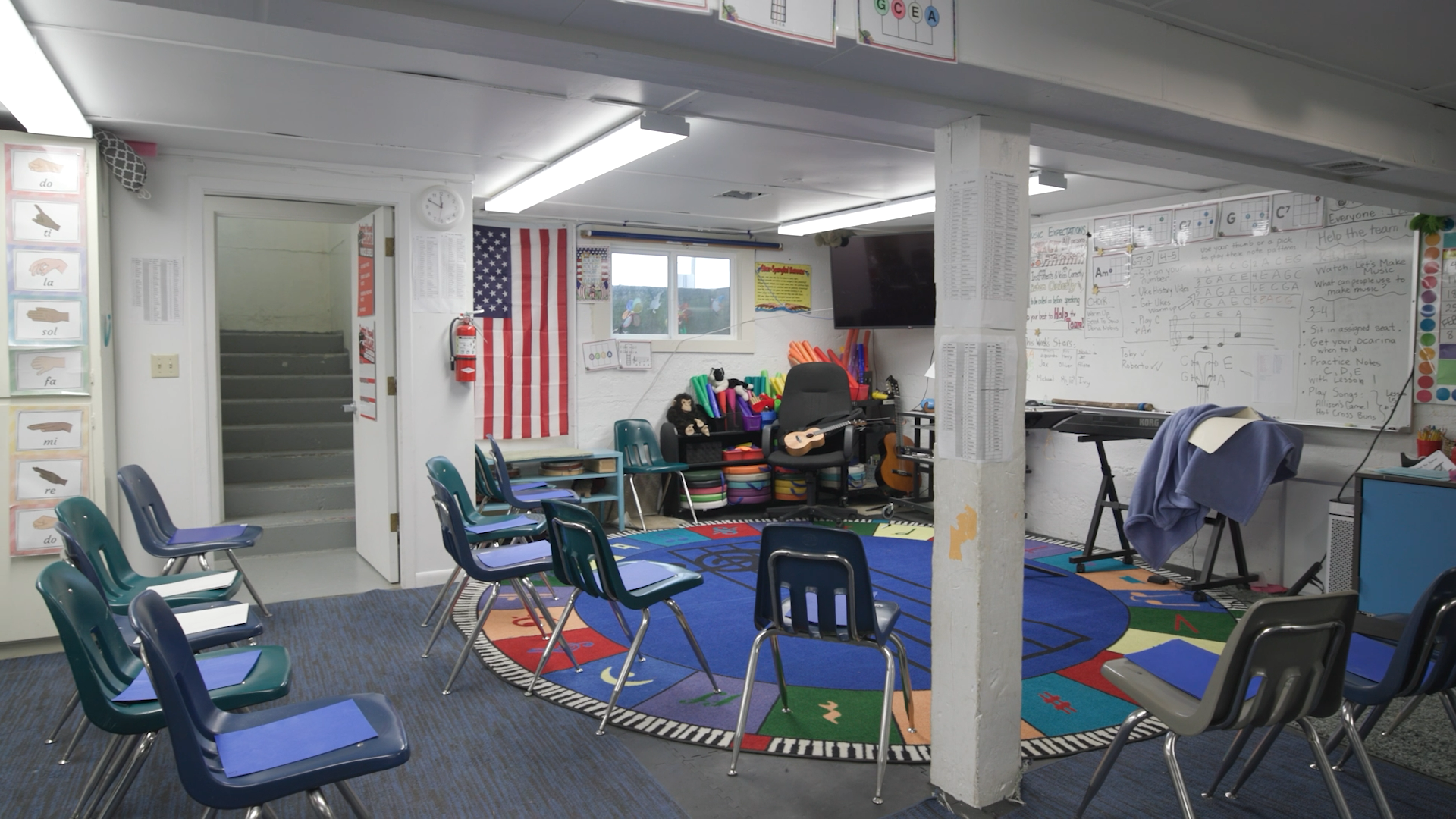
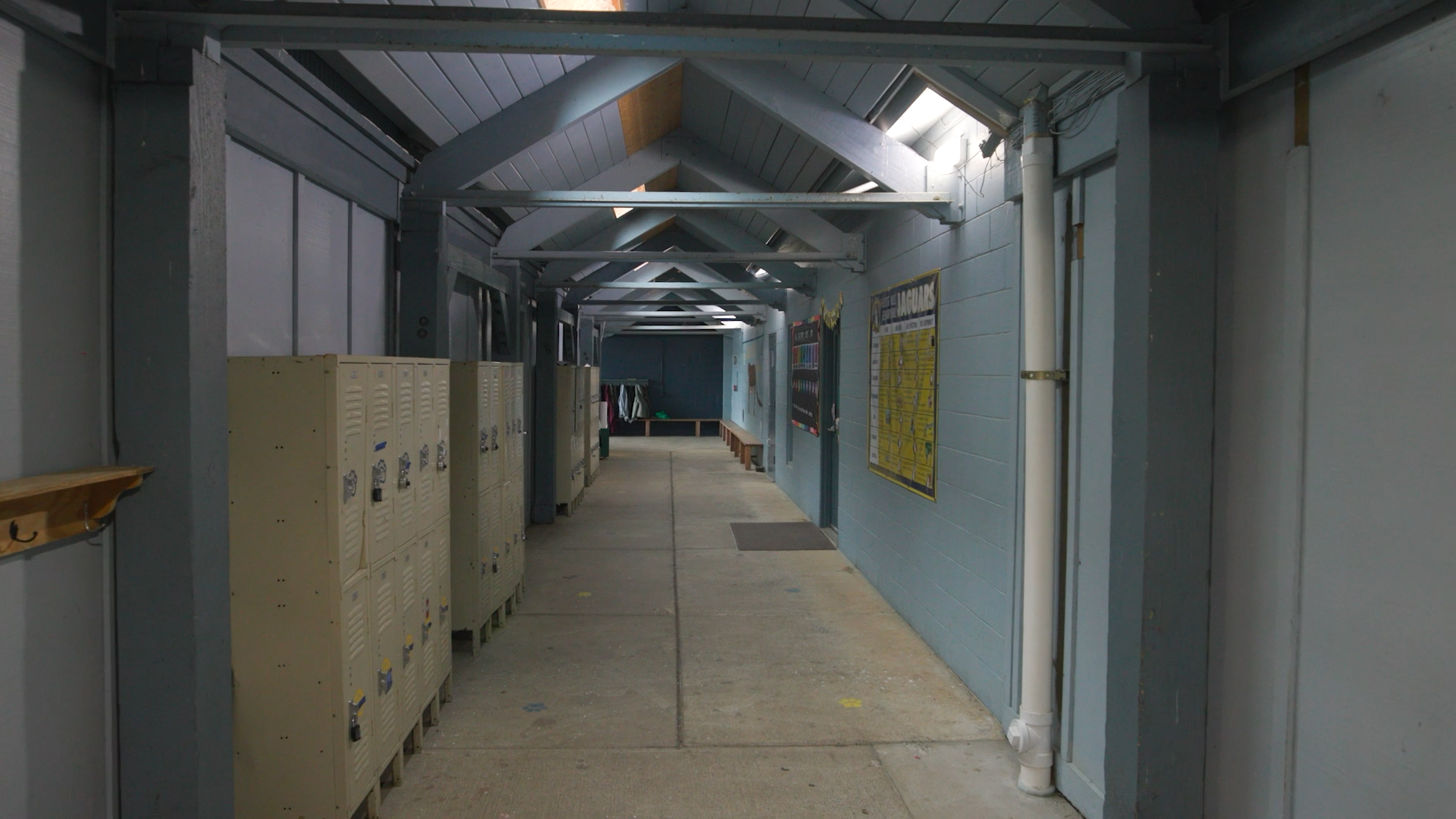
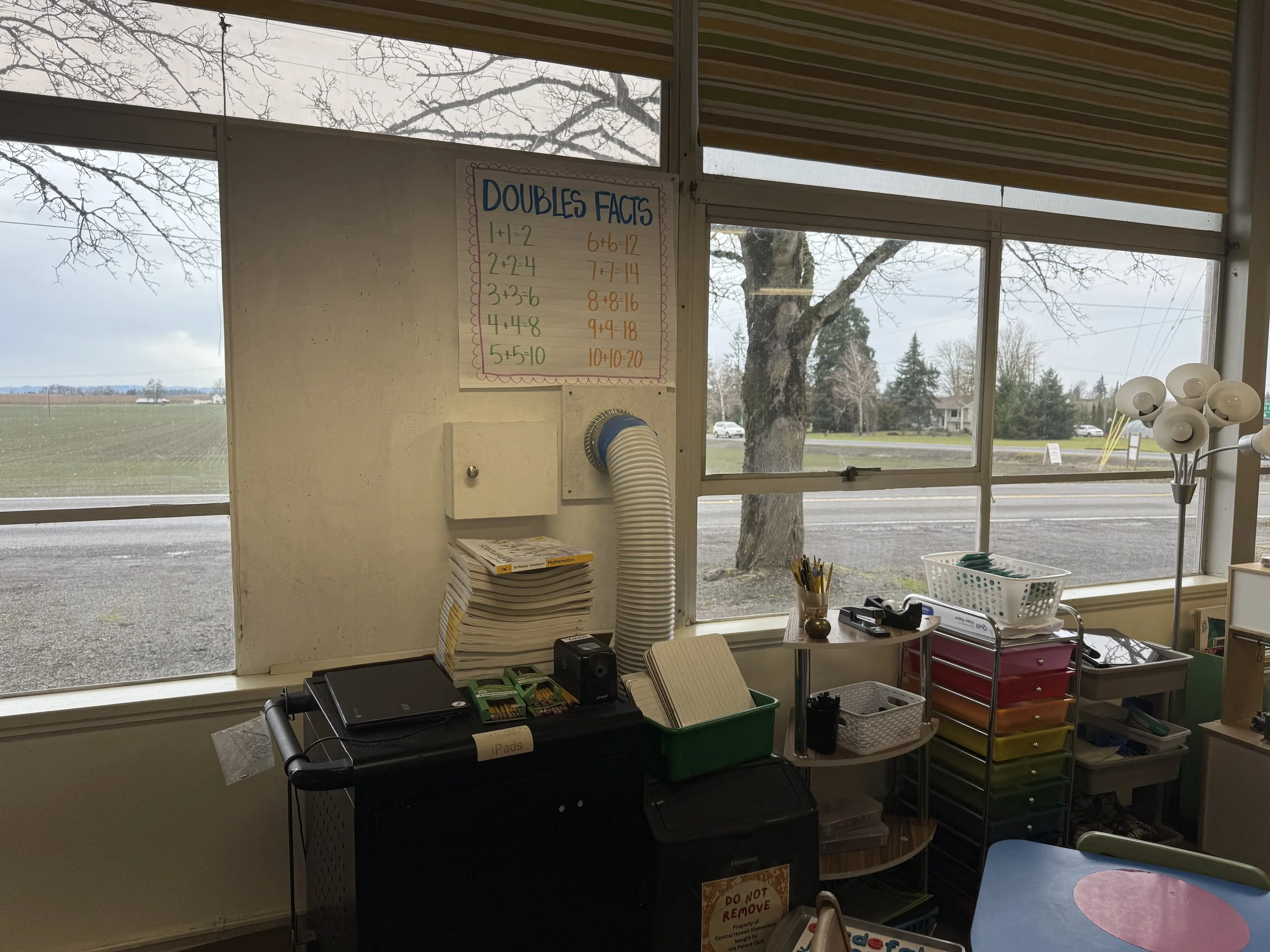
Construct a new rural K-8 school to replace three aging schools with original buildings dating from 1928 to 1947. The new school would preserve the District’s rural K-8 educational model while addressing accessibility needs and providing modern classrooms designed to support today’s educational programs. Consolidating three aging facilities into one school serving approximately 350 students is also expected to reduce long-term operating and maintenance costs.
Address Prioritized Maintenance Needs at Remaining Schools
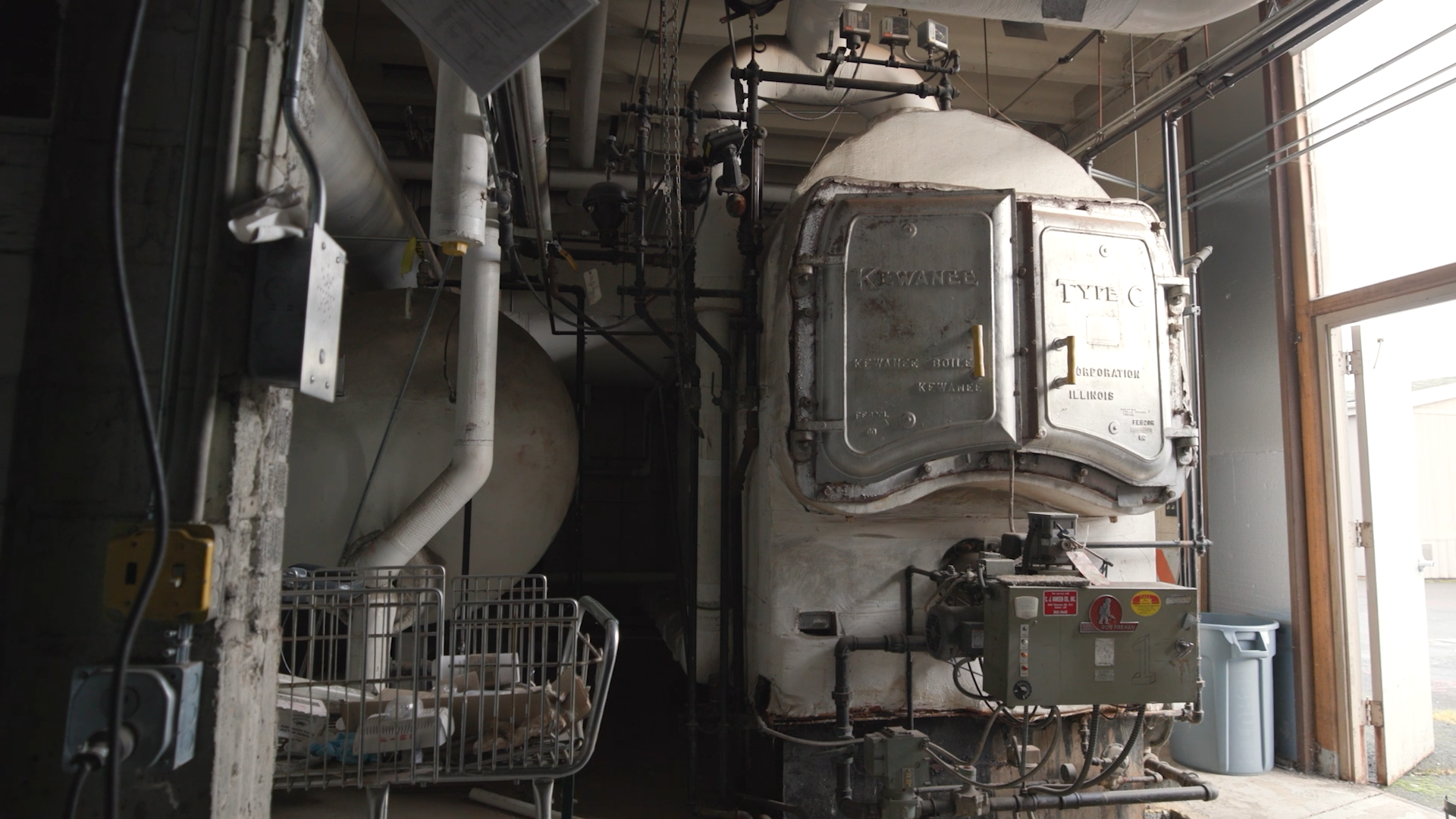
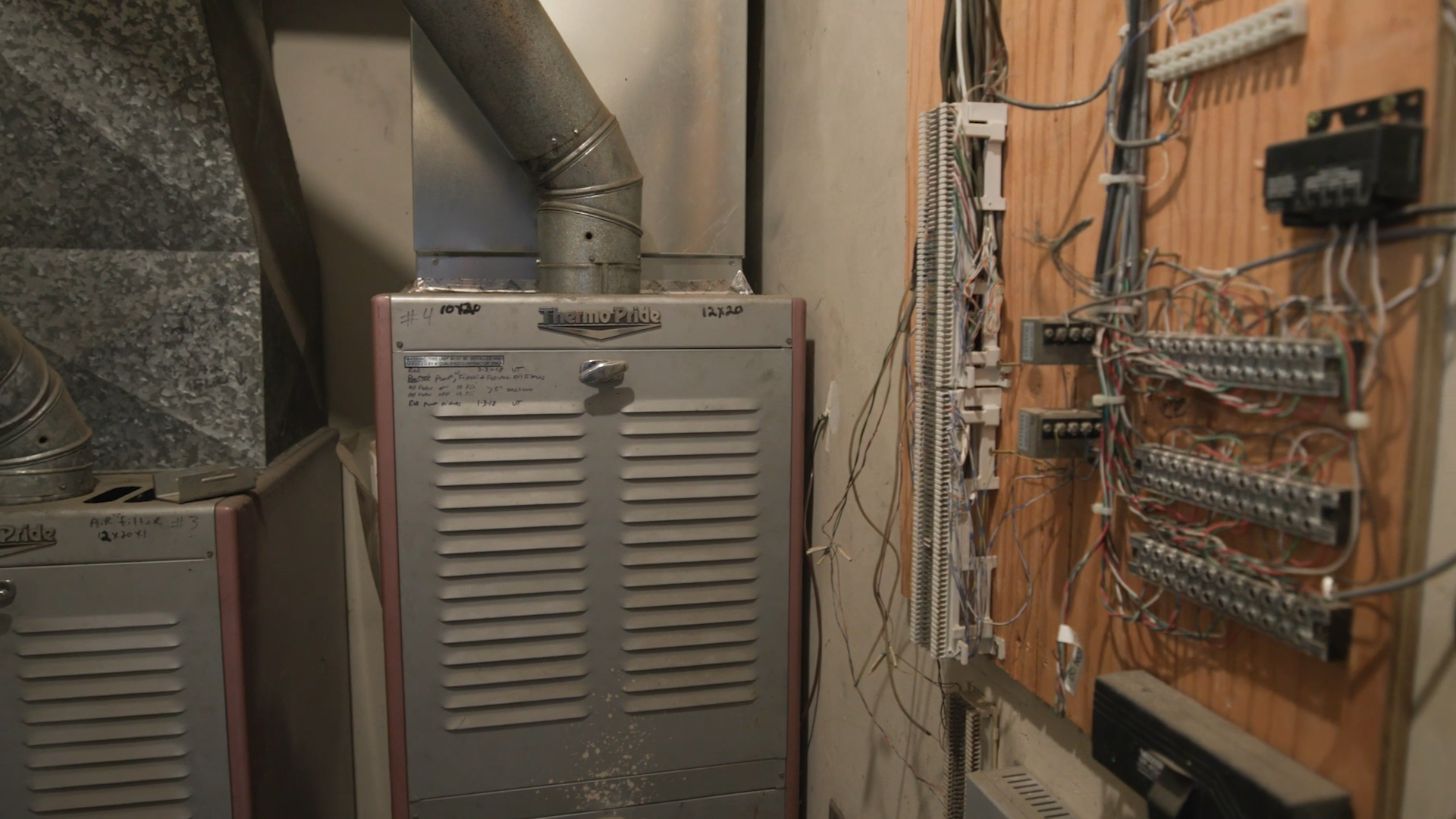
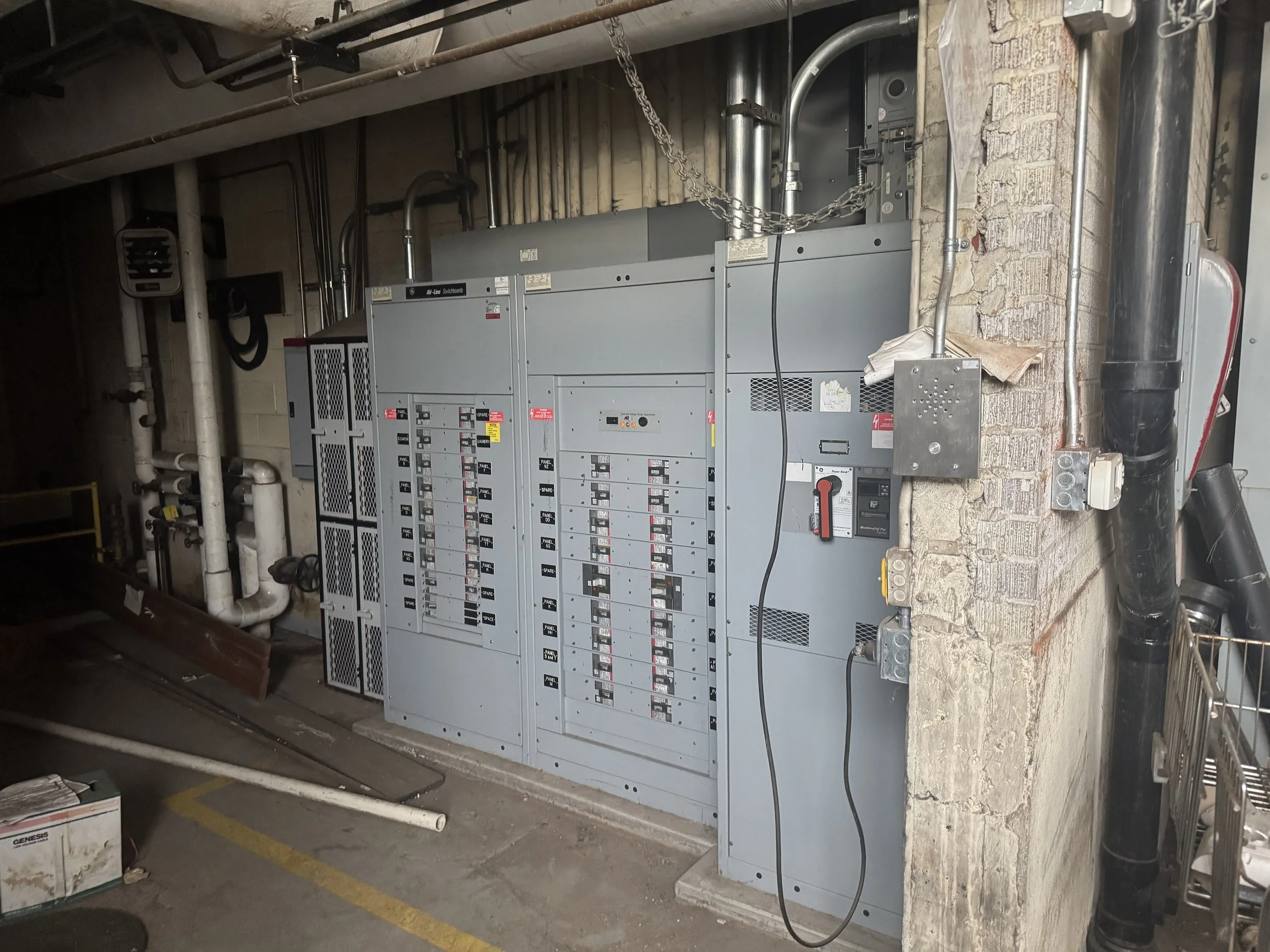
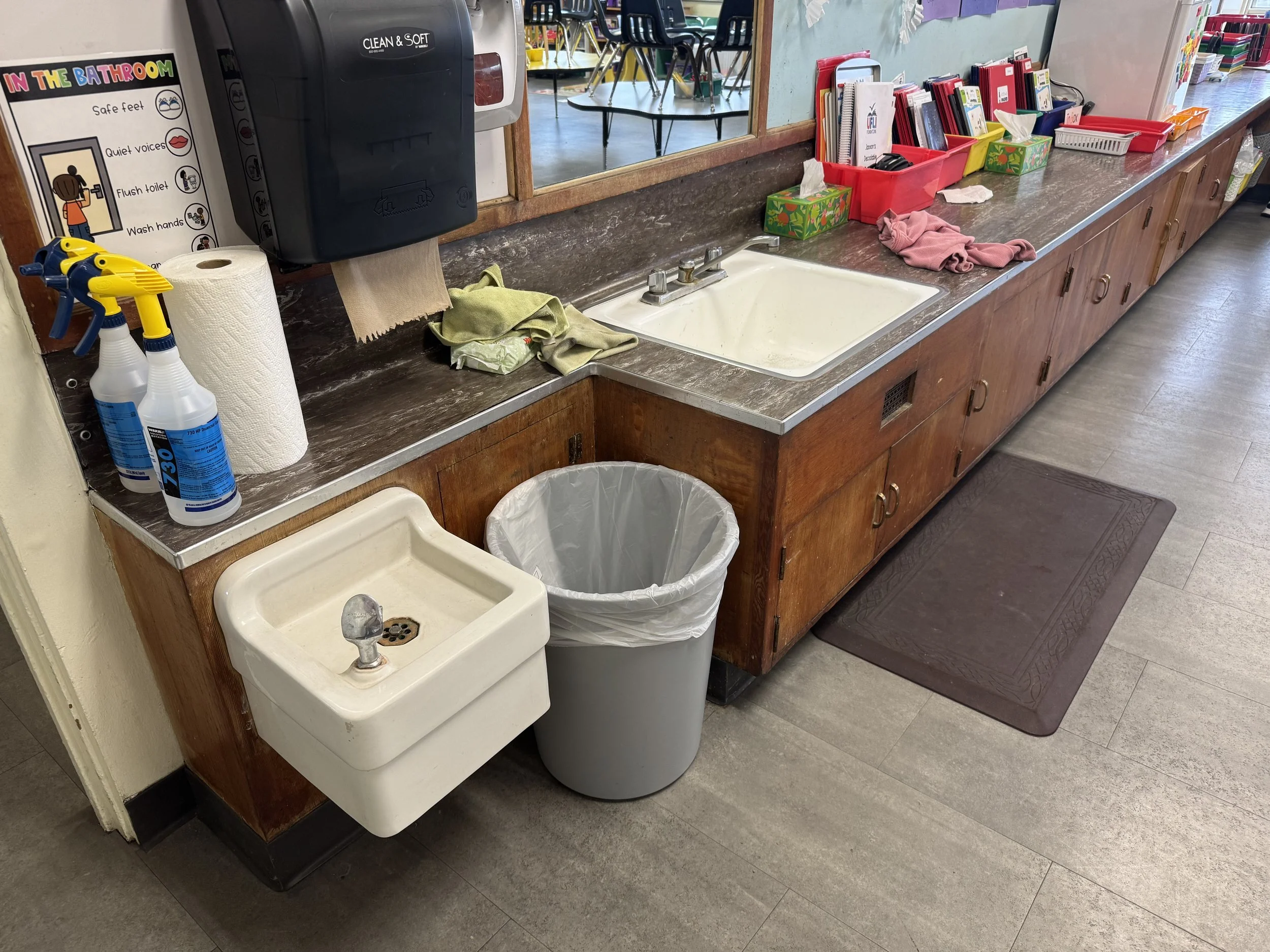
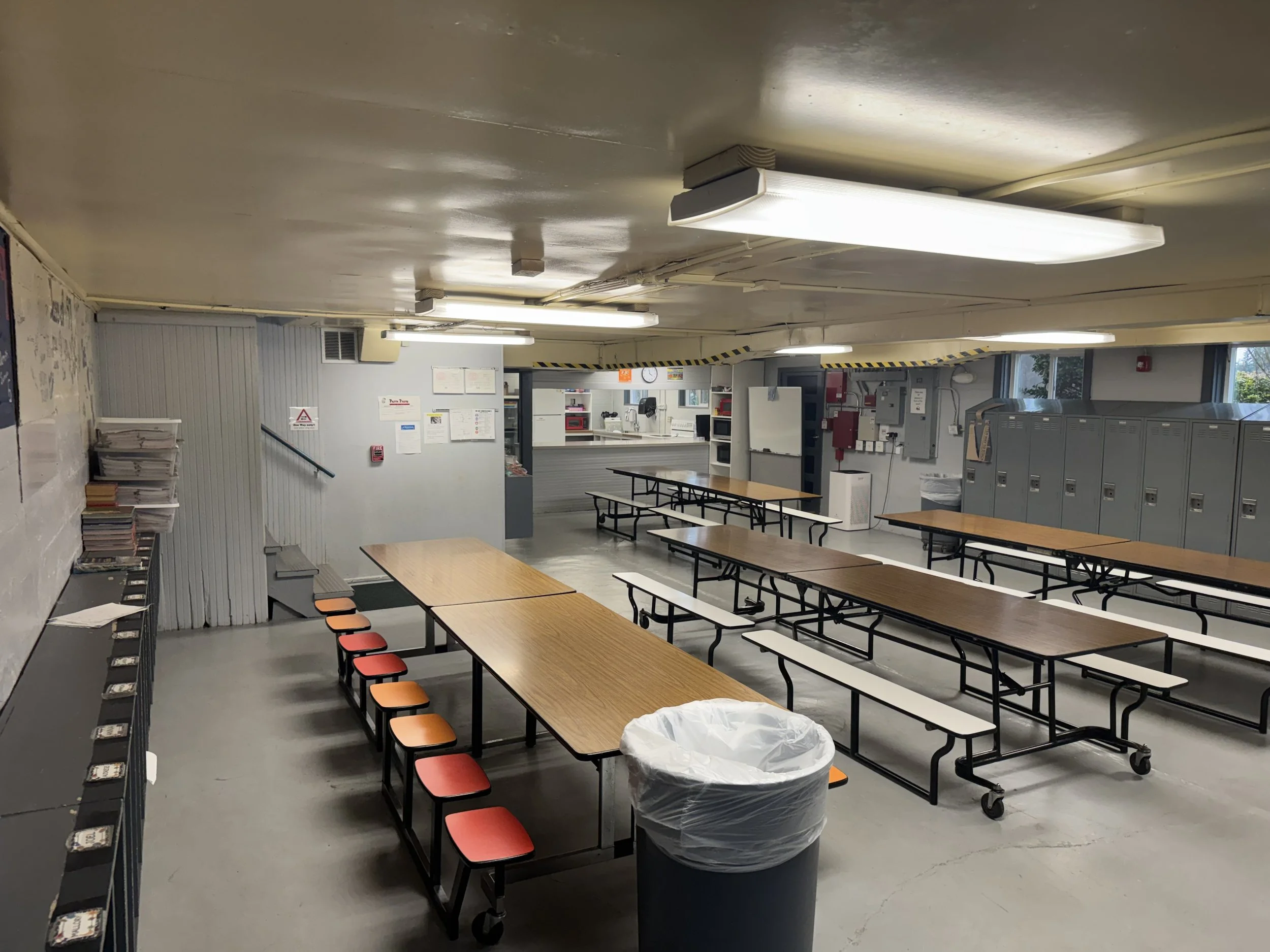
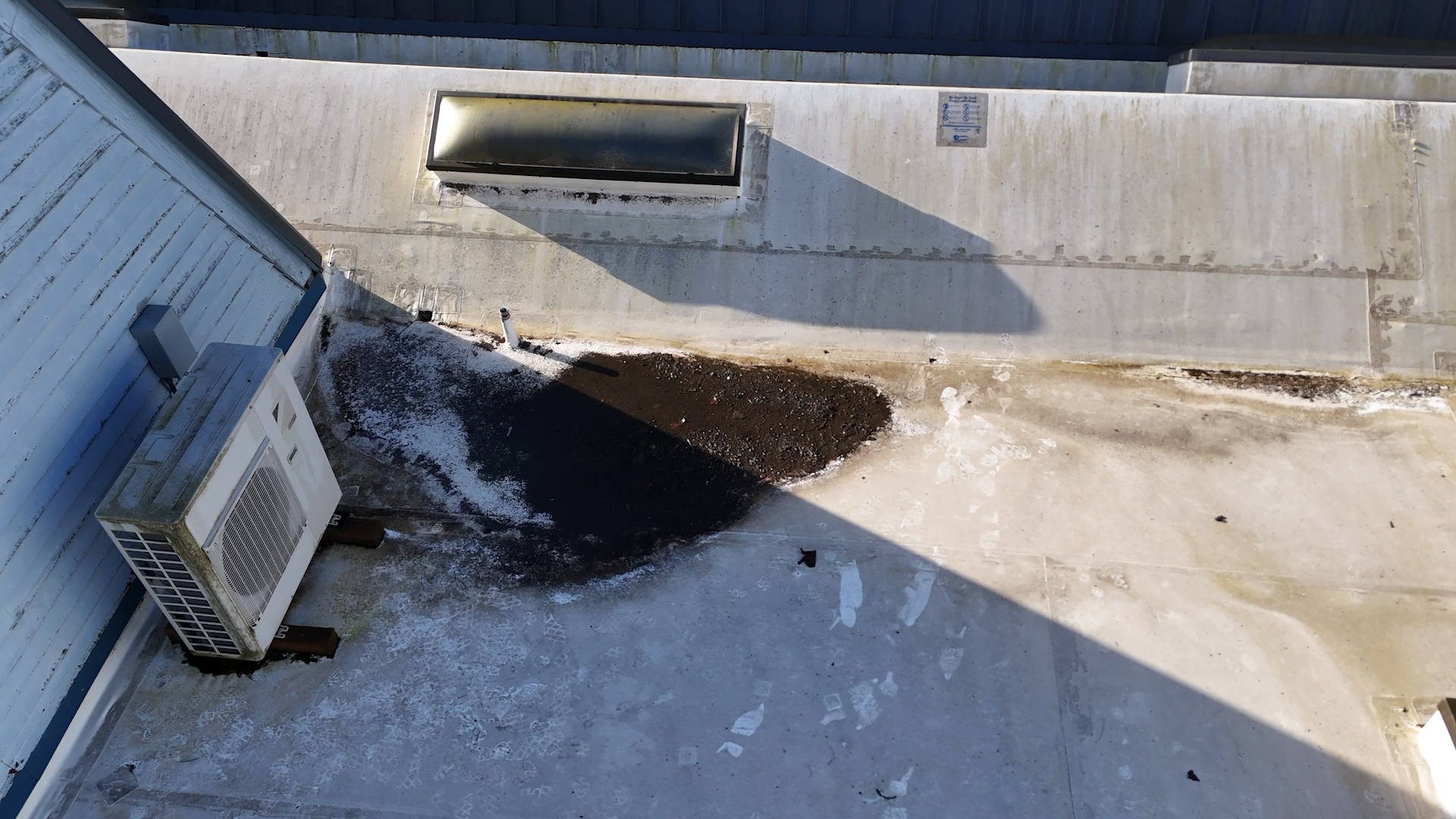
Complete high-priority repairs and improvements across the District to address aging infrastructure, improve building systems, and extend the useful life of existing schools.
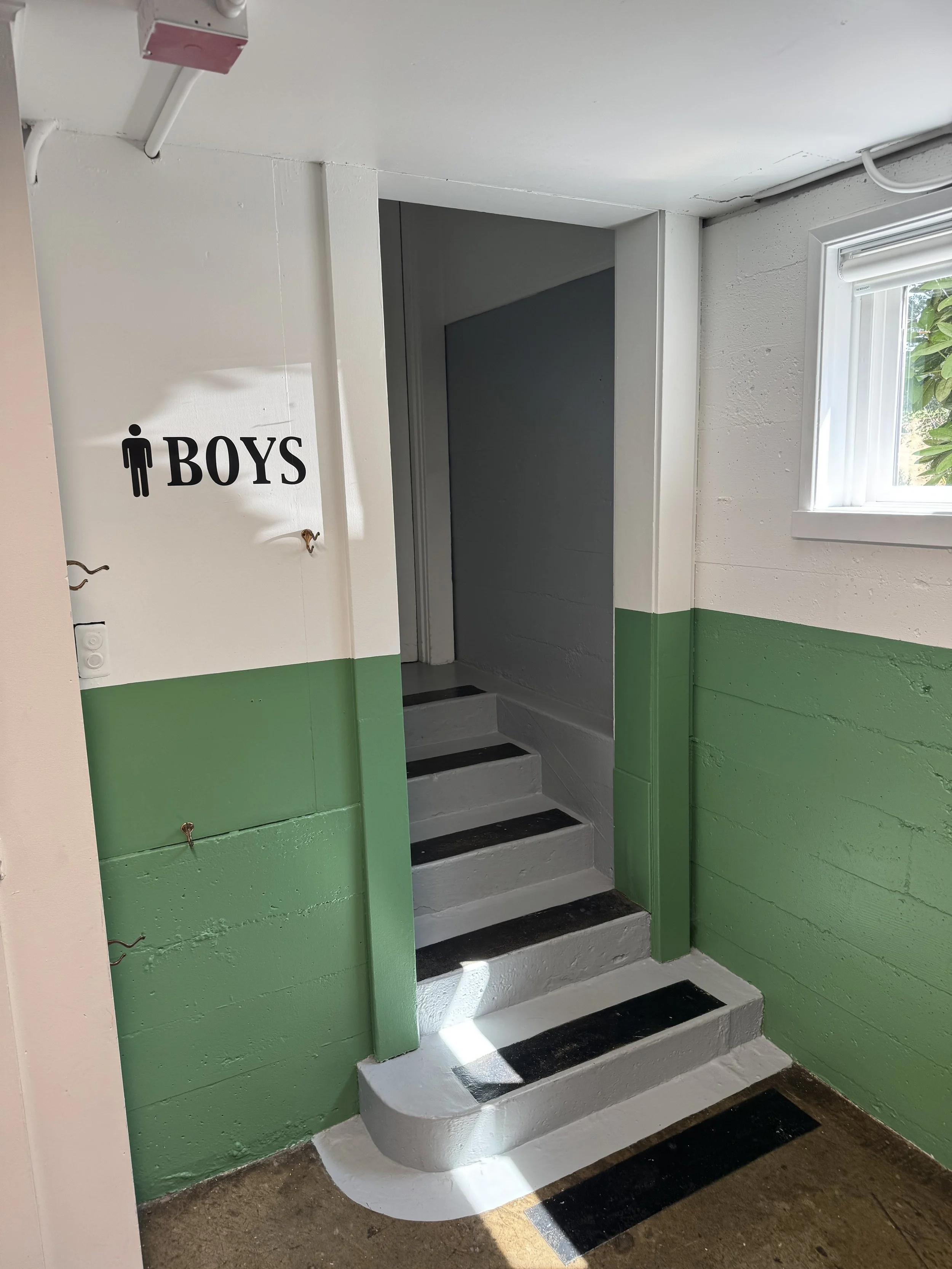
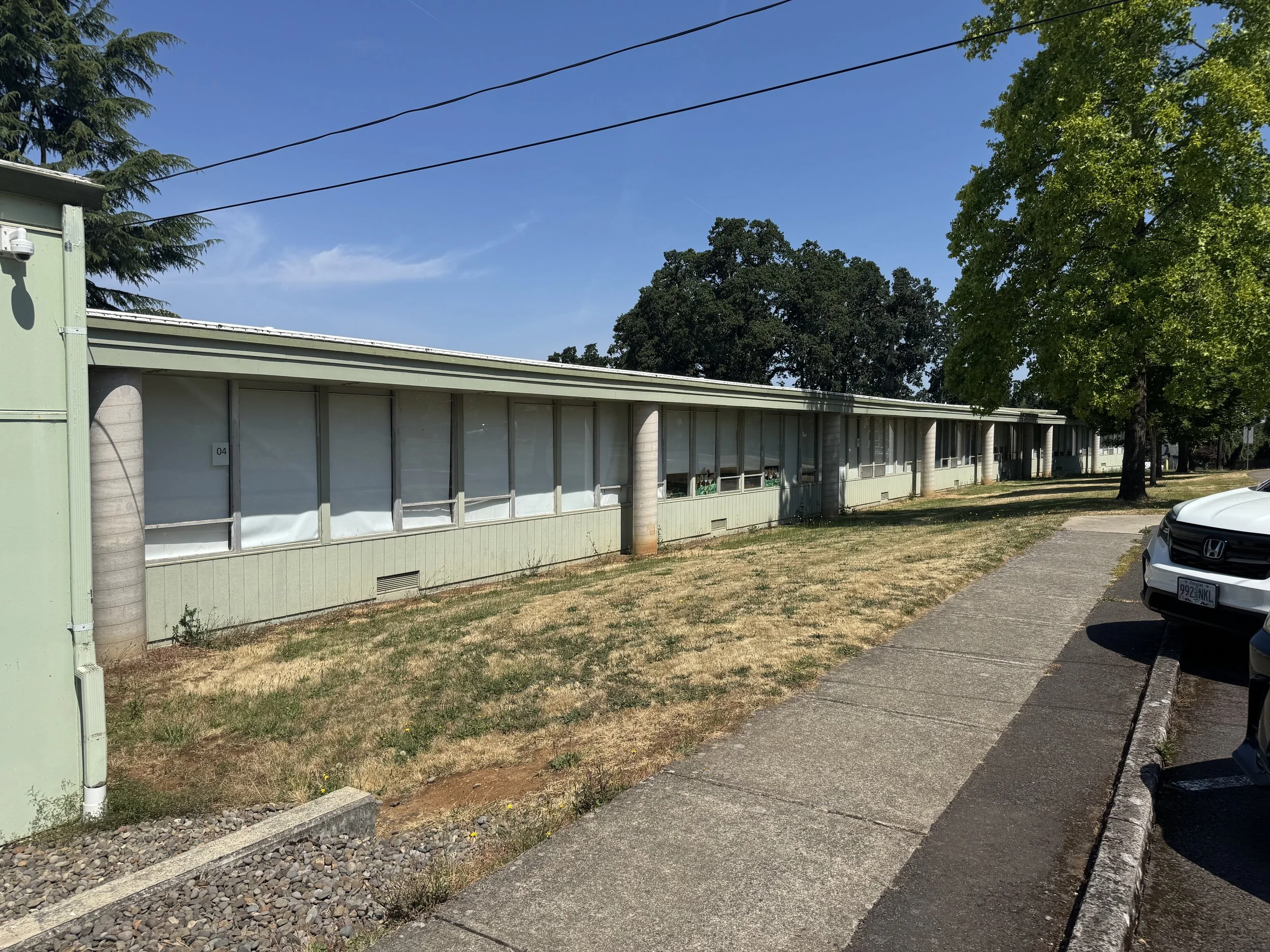
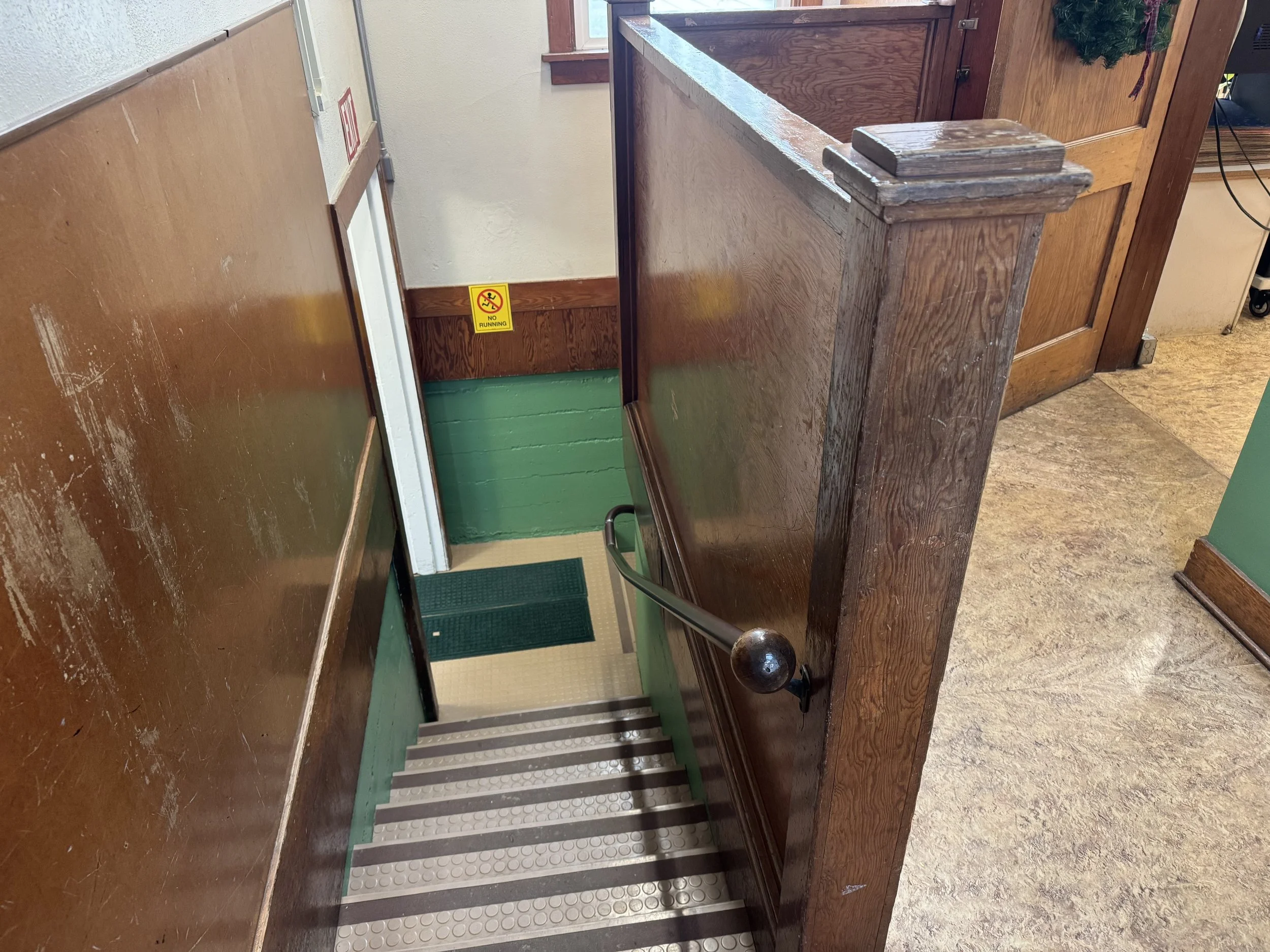
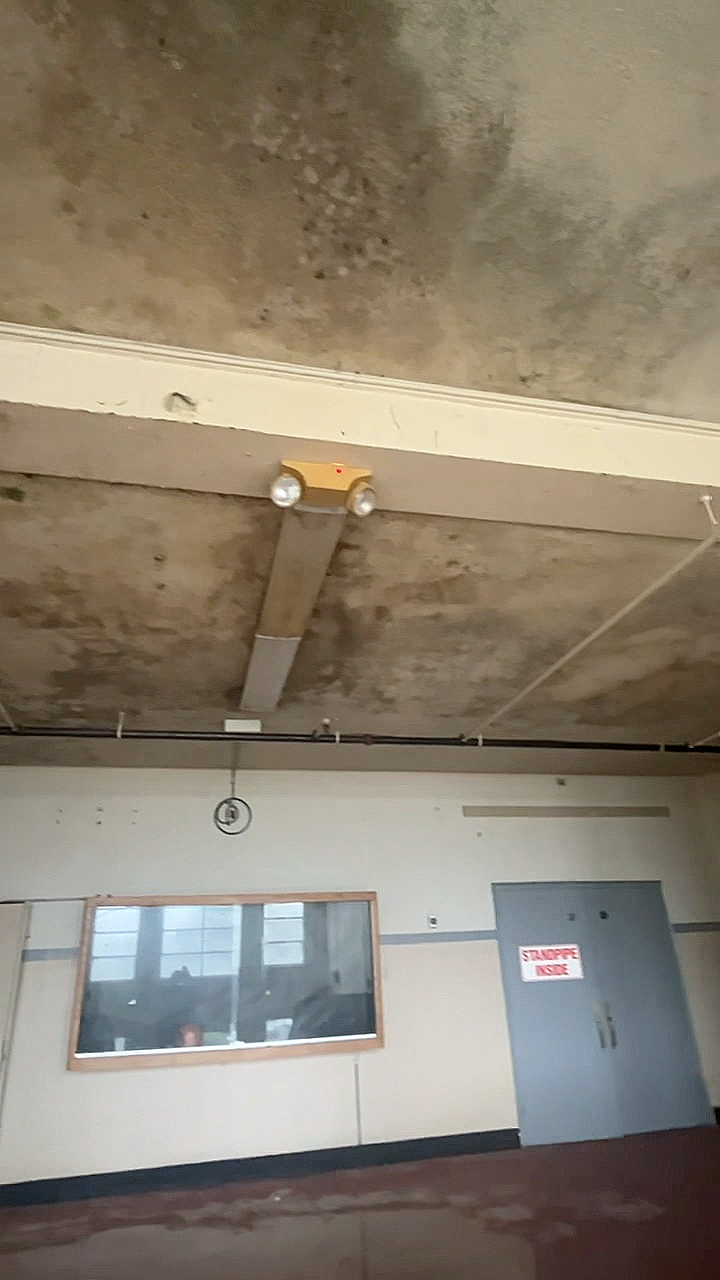
FAQs
General Obligation Bond Questions
-
A bond measure is used by a public school district to finance school facility projects or other capital projects. Measures are placed on the ballot along with information about the specific projects that would be completed by the district if passed by voters.
-
The $87 million bond is projected to maintain the District’s current estimated bond tax rate of $1.88 per $1,000 of assessed property value. No increase in the current bond tax rate is anticipated.
-
Before 2016, Oregon provided no state funding for school construction or major repairs, so districts relied on local property taxes and voter-approved General Obligation (GO) bonds. While the State School Fund helps cover daily operations and basic maintenance, it doesn't provide enough for large-scale renovations or new construction. Federal support is also very limited, leaving local bonds as the main way to fund needed facility improvements.
The Oregon School Capital Improvement Matching (OSCIM) Program began in 2016. Prior to its inception, Oregon did not provide state funding support for school infrastructure projects; districts relied on property tax revenues and General Obligation bonds to finance such improvements.
-
By law, General Obligation Bond funds can only be used for the capital projects outlined in the ballot explanatory statement. These funds cannot be used for items such as PERS, salaries, or other employee expenses, nor can they be used for routine maintenance or supplies.
-
To vote on a school bond, residents must live within the District and be registered to vote. In order to be registered to vote, you must be a U.S. citizen and 18 years old.
Oregonians can register to vote after their 16th birthday, but you will not receive a ballot or be eligible to vote until an election occurs on or after your 18th birthday.
To register to vote, go to https://secure.sos.state.or.us/orestar/vr/register.do?lang=eng&source=sos
-
If the measure does not pass, the proposed projects would not be completed and property taxes would not be assessed.
-
If the bond measure is passed by voters, the district would start the process of hiring a contractor to work with the district’s architect to start the design and planning phase. The district would work with the contractors and architects to create a project timeline projecting when projects would start and be completed.
The proposed bond package is one component of the district's Long Range Facilities Plan, developed through a process in which more than 30 community members reviewed independent facility assessments, evaluated facility needs, and provided recommendations to the Board.
The proposed investments include:
Replace Silverton Middle School
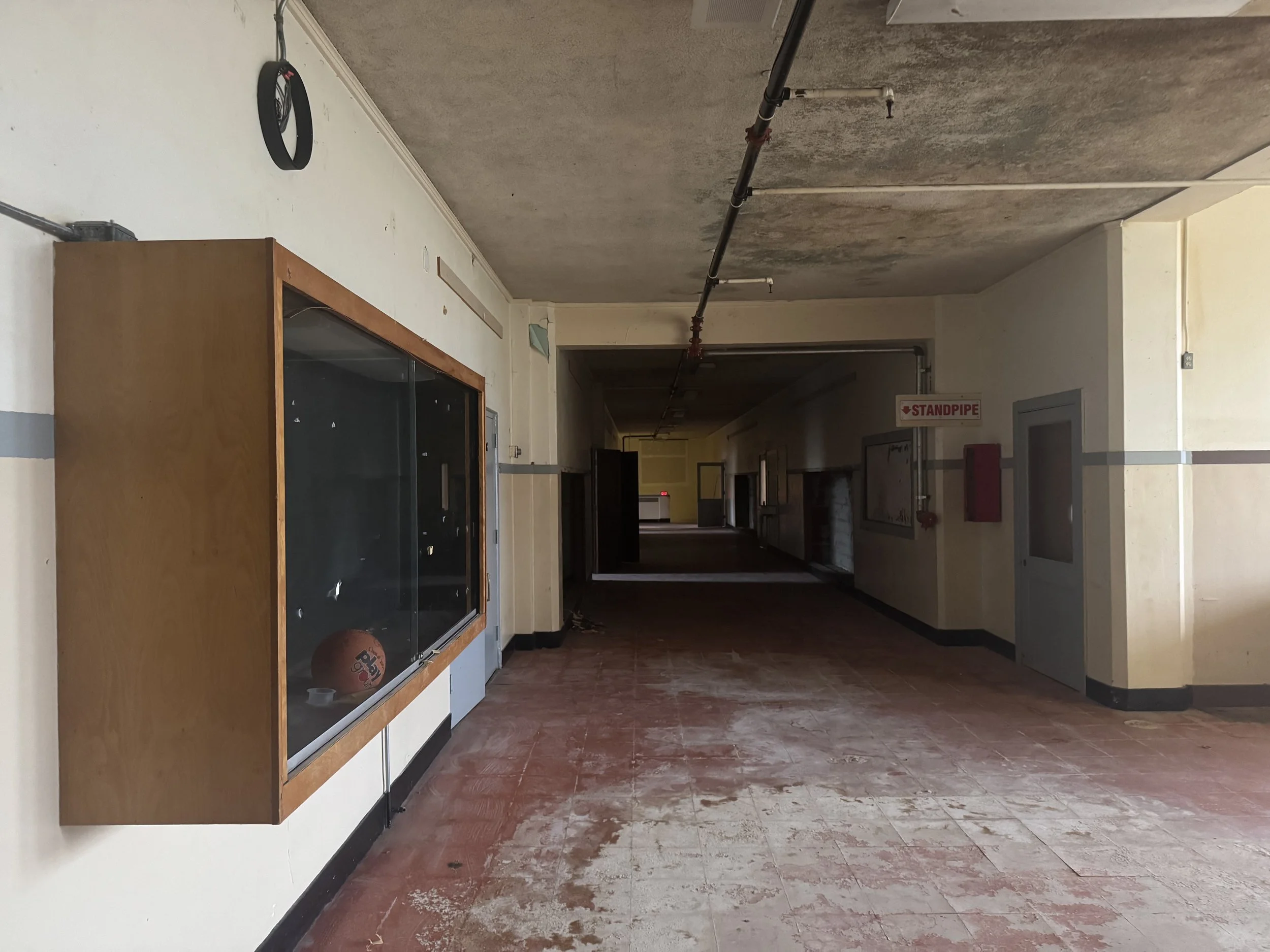
Construct a new middle school to replace the District’s most significant facility challenge. The original 1938 building is closed, separating the remaining 1960s classroom wings and portable classrooms and requiring students and staff to travel outside between different areas of the school. A new middle school would create a safe and connected campus designed to support current educational programs and eliminate aging portable classrooms.New Rural K–8 School
Construct a new rural K–8 school to replace three aging schools with original buildings dating from 1928 to 1947. The new school would preserve the District’s rural K–8 educational model while addressing accessibility needs and providing modern classrooms designed to support today’s educational programs. Consolidating three aging facilities into one school serving approximately 350 students is also expected to reduce long-term operating and maintenance costs.Address Prioritized Maintenance Needs at Remaining Schools
Complete high-priority repairs and improvements across the District to address aging infrastructure, improve building systems, and extend the useful life of existing schools.
-
The district would prioritize scheduling projects during summer break if a bond measure is passed. If projects are scheduled while school is in session, plans would be made to limit disruptions and protect students.
-
Building a school typically costs more than constructing a residential or small commercial building for a variety of reasons including:
specialized design and functionality
the size and scale of the building
higher occupancy load
regulatory compliance
educational standards
specialized accommodations
safety requirements
Schools require specialized design features to meet educational needs. This includes:
classrooms
science labs
libraries
gymnasiums
and administrative offices
Each of these spaces must be carefully designed to support effective teaching and learning.
Schools are generally larger in terms of both square footage and overall scale compared to residential buildings. Schools have higher occupancy loads compared to residential buildings. This requires more extensive infrastructure, including fire safety systems, plumbing, electrical systems, and ventilation, to ensure the safety and well-being of a large number of people.
There are specific educational standards and regulations set by state and national educational authorities that school districts must comply with that can increase construction costs. This includes requirements for classroom size, accessibility, technology infrastructure, and safety features. School buildings must comply with local zoning codes, building permits, and adherence to educational facility standards.
In addition, schools often have specialized amenities like sports facilities, auditoriums, music rooms, and computer and science laboratories. These facilities require additional construction and maintenance costs. Schools may need extensive site preparation, including grading, utilities, parking lots, and outdoor play areas. This can be more complex and costly compared to the site requirements for a residential building. Schools must be designed to accommodate a diverse range of students, including those with disabilities. This may require additional features such as ramps, elevators, and accessible restrooms.
Schools also require specific security measures to ensure the safety of students and staff. This can include controlled access points, security systems, and emergency response protocols, which can add to construction costs.
Additionally, the District must pay prevailing wage on all school construction projects, which is the amount that must be paid to construction workers on all public works projects in Oregon. Prevailing wage rate laws ensure local participation and community established pay standards on publicly funded projects. These rates include fringe benefit wages to encourage employers to purchase health insurance and other benefits for their workers.
Projects
-
In 2024, the Oregon Department of Education launched a Statewide School Facilities Assessment, a no-cost opportunity for local districts made possible by federal funds through the Supporting America’s School Infrastructure program. Over a five-year period, this effort aims to evaluate the condition of every public school building in the state.
As the state was launching this effort, our district recognized the importance of understanding the true condition of our facilities. That’s why we commissioned an independent, in-depth assessment of every building funded through a state grant. These assessments were reviewed by a local Facilities Committee made up of community members, staff, and experts. This work laid the foundation for identifying critical needs and informed our ongoing planning.
You can access videos sharing an overview of what was learned through these assessments and the District’s assessments by visiting
Facilities & Property
Facilities Grants
-
The Oregon School Capital Improvement Matching (OSCIM) Program provides matching grants to districts that pass a local general obligation bond. If the bond measure passes, the state would provide the District with a $10.2 million matching grant. This would provide the district with additional funds for facility improvements. If the bond measure does not pass, the District would not receive matching funds from the state.
-
The current bond rate for the District is $1.88/$1,000 assessed value.
-
The Estimated District Property Tax Rates if measure passes is estimated to remain the same: $1.88 per $1000 of assessed property value.
-
Oregon's school finance system is complex, blending state, local, and federal revenues to support 197 school districts and 19 Education Service Districts (ESDs). The primary funding mechanism is the State School Fund (SSF), which allocates money based on a statutory equalization formula that combines state appropriations and local revenues, such as property taxes. This system is designed to ensure equity among districts with varying local wealth.
Key Revenue Sources
State Contributions: Oregon's legislature provides K-12 education funding through three primary sources:
General Fund (primarily income taxes),
Lottery receipts, and
Corporate Activities Tax
These contributions form the SSF, which totals $10.2 billion for the 2023-2025 biennium, representing about 66.5% of the funds distributed to schools.
Local Revenues: Local contributions, largely from property taxes, provide another significant portion of school funding. For 2023-2025, local revenues are estimated at $5.1 billion, making up about 33.5% of total funding. These local sources include:
Property taxes, the County School Fund, the Common School Fund, and revenues from state-managed timber trust lands.
Oregon also allows districts to ask voters for additional funding via a "local option" tax, but this is capped to prevent wide disparities in district funding.
Federal Funding and Grants-in-Aid: In addition to state and local sources, schools receive federal grants, particularly for specific programs like Title I (for high-poverty schools) and special education. For 2023-2025, federal and state grants-in-aid, including those from the Corporate Activities Tax, provide significant additional funding for specific purposes, such as nutrition programs and professional development.
School Funding Distribution
The SSF and local revenues are distributed using an equalization formula that adjusts for each district’s specific needs, ensuring equity across Oregon. Factors like teacher experience, transportation costs, and a district’s student population (measured by a weighted student count) influence the allocation of funds. For example, students in poverty or English language learners receive additional weighting in the formula to reflect their greater educational needs. The goal is to ensure that all students, regardless of their district’s wealth, have access to comparable educational resources.
-
Information about the District’s finances can be found on the district website at https://silverfallsschools.org/district-finances.
-
The assessed value of a home is generally used for tax purposes including calculating the bond rate. Oregon began using assessed value for tax purposes through the passage of Measure 50 in 1997. Though homeowners usually want their property values to grow over time, in this case, it’s better when the home’s value is lower. That’s because the higher the assessed value, the higher the property taxes.
Market value is used by lenders, buyers and sellers to estimate the appropriate selling price given current market conditions. It’s essentially the value that assessors attempt to come up with before applying the assessment rate. An easy way to think about market value is this: What would a prospective buyer be willing to spend on a particular home and/or what would the seller be willing to accept if it were sold today?
Form more information about assessed value vs real market value, go to this informational video from the OACTC https://www.youtube.com/watch?v=oQ_BkTQZmCg&t=78s
For more information about how to understand your tax bill, go to the Marion County Assessor’s website at https://www.co.marion.or.us/AO/Pages/faq.aspx.
For more information about how to understand your tax bill, go to the Clackamas County Assessor’s website at https://www.clackamas.us/at/taxbill.
-
To find out the assessed value of a property, go to the Marion County Assessor’s website at https://mcasr.co.marion.or.us/.
To find out the assessed value of a property, go to the Clackamas County Assessor’s website at http://ascendweb.clackamas.us/
Finances
-
If the bond measure passes, the School Board would appoint a long-term citizens’ bond oversight committee to review how property tax revenues are spent and ensure that proposed projects are implemented as voters intended.
-
If the bond measure passes, the District would appoint a citizens bond oversight committee made up of community members, parents, and district staff to actively monitor the progress of the bond program, ensure bond revenues are used for purposes consistent with the voter-approved bond measure and consistent with state law. The bond oversight committee would report to the school board.
Community Oversight
Contact Us
Do you have a question that was not answered above? Let us know!